Home » Jazz Articles » Album Review » Chip Wickham: La Sombra
Chip Wickham: La Sombra
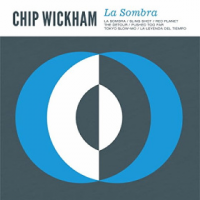
Wickham hails from Manchester, in north-west England. The area is home to some distinctive musicians, most notably trumpeter Matthew Halsall and saxophonist Nat Birchall. Much of La Sombra shares the spiritual vibe that characterizes the music of both these men and takes inspiration, in Wickham's case, from players like Yusef Lateef and Harold McNair.
Wickham opens the album with the title track, a beautiful, wistful and meditative tune with Wickham's flute reminiscent of Gong flautist Didier Malherbe's work with Kevin Ayers. "Sling Shot" is an immediate contrast—a hard-edged, funky, tenor sax groover underpinned by David Salvador's attention-grabbing bass riff. The focus on irresistible, Blue Note-ish, grooves continues through "Red Planet" and "The Detour"—the latter featuring Wickham's breathless, attacking, flute playing. Calmness returns with "Pushed Too Far," the warmth of the flute complemented by Antonio Pax' lovely vibraphone. "Tokyo Slow-Mo" is even more laid-back, another lovely tune whose impact is heightened by Pax' delicate vibes, this time duetting with tenor sax.
La Sombra closes with its single cover tune: a version of "La Leyenda Del Tiempo," a song made famous by Cameron de la Isla. It's another up-tempo number and gives pianist Gabriel Casanova space for a fluid, lyrical, solo. On La Sombra Wickham and his friends show real strength, individually and as a unit. From the fastest groove to the most contemplative, slow-paced, melody there isn't a weak spot to be heard. A fine start to 2017.
 FOLLOW Bruce Lindsay
and get notified whenever a new article published.
FOLLOW Bruce Lindsay
and get notified whenever a new article published.
My new book on dance music, "Dancehalls, Glitterballs and DJs," is out in early 2025. I'm not currently undertaking reviews due to other commitments.
Track Listing
La Sombra; Sling Shot; Red Planet; The Detour; Pushed Too Far; Tokyo Slow-Mo; La Leyenda Del Tiempo.
Personnel

Chip Wickham
woodwindsChip Wickham: tenor saxophone, flute, alto flute; Gabriel Casanova: piano; David Salvador: bass; Antonio Pax: drums, vibraphone.
Album information
Title: La Sombra | Year Released: 2017 | Record Label: LoveMonk Records
About Chip Wickham
Tags
PREVIOUS / NEXT

Become a Sustaining Member

Since 1995, All About Jazz has championed jazz as an art form and supported the musicians who create it. Over three decades, it has grown into one of the world's leading jazz resources, serving hundreds of thousands of readers, musicians, presenters and industry professionals each month.
Help Build the Future of All About Jazz
Your support helps us continue building All About Jazz for the next generation—expanding our editorial coverage, preserving jazz history, developing new community features and creating better ways to discover the music and the people behind it.
Become a sustaining member for as little as $20 per year and you'll immediately enjoy an ad-free experience along with access to subscriber features and future articles for a full year.
Together, we're not simply sustaining All About Jazz—we're building its future. Thank you for being part of the journey.