Home » Jazz Articles » Profile » Finding the Way: The Music of John McLaughlin
Finding the Way: The Music of John McLaughlin
But first, a bit of background: McLaughlin played on several electric Miles records, including the first shots in the fusion revolution. His work with Miles earned him a substantial fan base.
McLaughlin sparked his solo career with a trip into modern jazz, deriving energy from the free jazz movement. Soon he would go on to found the intense, hard-driving jazz-rock fusion of the Mahavishnu Orchestra—probably his most famous and influential group to date. A few years later, the guitar went unplugged in a new group called Shakti, which celebrated a spiritual form of Indo-jazz improvisation. While the Mahavishnu Orchestra and Shakti would see revivals in later years, McLaughlin remained restless.
He joined forces with Al DiMeola and Paco DeLucia in the now-legendary Guitar Trio, which won a huge new audience over to McLaughlin's vision. Power trios with Trilok Gurtu offered a spare, open improvisational approach; tributes to Coltrane and Bill Evans assumed widely different forms appropriate to each master; and Remember Shakti brought Indo-jazz fusion back into the limelight with an updated perspective.
You'll never be able to accuse John McLaughlin of getting too comfortable in any given setting. And that's one big reason why music from throughout his career remains fresh today.
Author Walter Kolosky, who is something of a McLaughlin disciple, has been on the path since the '70s. Kolosky's perceptive insight throughout this project testifies to his deep understanding of the music and the ideas which drive it. If you're curious about the many facets of John McLaughlin's art, this is an ideal place to start.
- The Recordings of John McLaughlin
- Building A Jazz Library: Selected Works
- A Conversation With John McLaughlin
- The Mahavishnu Orchestra: Classical Music for a New Century?
- Guest Appearances: John McLaughlin as a Sideman
- 25 Years of John McLaughlin at The Montreux Jazz Festival
- This Is The Way I Do It (Instructional DVD)
- Resources
Credits: All material (except intro above) by Walter Kolosky. Edited by Nils Jacobson.
 FOLLOW Walter Kolosky
and get notified whenever a new article published.
FOLLOW Walter Kolosky
and get notified whenever a new article published.
Power, Passion and Beauty - The Story of the Legendary Mahavishnu Orchestra has been published by Abstract Logix Books.
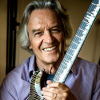
About John McLaughlin
Tags
PREVIOUS / NEXT
Become a Sustaining Member

Since 1995, All About Jazz has championed jazz as an art form and supported the musicians who create it. Over three decades, it has grown into one of the world's leading jazz resources, serving hundreds of thousands of readers, musicians, presenters and industry professionals each month.
Help Build the Future of All About Jazz
Your support helps us continue building All About Jazz for the next generation—expanding our editorial coverage, preserving jazz history, developing new community features and creating better ways to discover the music and the people behind it.
Become a sustaining member for as little as $20 per year and you'll immediately enjoy an ad-free experience along with access to subscriber features and future articles for a full year.
Together, we're not simply sustaining All About Jazz—we're building its future. Thank you for being part of the journey.