Home » Jazz Articles » Album Review » Billy Bang: Big Bang Theory
Billy Bang: Big Bang Theory
On "Big Bang Theory," Bang's repertoire is familiar, seeing as how it includes gospel tinges, free flights of animated angularity, pizzicato-ed resonance as if inviting the listener to pay closer attention, piquant ballads, New Orleans street beat, and straight-ahead swing.
But his change of personnel makes a big difference. While D.D. Jackson, as expected, took charge of the sound of "Bang On" with the complicity of Ronnie Burrage and Akira Ando, the rhythm section of "Big Bang Theory" allows Bang to shine as the leader, laying down beats and holding back accompaniment, until it's time to step forth.
And then...
Individually, the rhythm section of "Big Bang Theory" extends its subtlety as a means for building solos. Moffett's incredibly seamless and soft roll on the tune "Big Band Theory" sounds almost like a ball bearing rolling around the head, increasing in volume and intensity over several choruses to a thrilling conclusion. Curtis Lundy, another Justin Time artist deserving of much wider recognition, establishes infectious and complex vamps, especially on "Silent Observation," which seems to have a 3/4 and 5/4 meter, instead of a broken 4/4. Pianist Pope, not as Pullen-esque as Jackson, instead refers to McCoy Tyner in some of his work, such as his whirling and soulful attack rooted by those famously accented bass notes on "At Play In The Fields Of The Lord."
As one of the leading improvisers on an under-appreciated jazz instrument and recording on a Canadian jazz label, Billy Bang once again reminds us of the violin's possibilities for enriching the collective voice of jazz.
 FOLLOW AAJ Staff
and get notified whenever a new article published.
FOLLOW AAJ Staff
and get notified whenever a new article published.
Various staff members.
Personnel
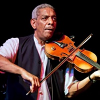
Billy Bang
violinAlbum information
Title: Big Bang Theory | Year Released: 2000 | Record Label: Victor
About Billy Bang
Tags
PREVIOUS / NEXT


Become a Sustaining Member

Since 1995, All About Jazz has championed jazz as an art form and supported the musicians who create it. Over three decades, it has grown into one of the world's leading jazz resources, serving hundreds of thousands of readers, musicians, presenters and industry professionals each month.
Help Build the Future of All About Jazz
Your support helps us continue building All About Jazz for the next generation—expanding our editorial coverage, preserving jazz history, developing new community features and creating better ways to discover the music and the people behind it.
Become a sustaining member for as little as $20 per year and you'll immediately enjoy an ad-free experience along with access to subscriber features and future articles for a full year.
Together, we're not simply sustaining All About Jazz—we're building its future. Thank you for being part of the journey.