Home » Search Center » Results: Jim Eigo, Jazz Promo Services
Results for "Jim Eigo, Jazz Promo Services"
David Helbock's Random / Control: Think Of Two
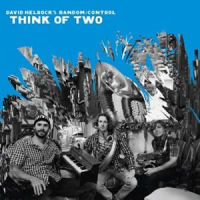
by Glenn Astarita
Inferring that his Germany-based trio is a multitasking machine would be an understatement. With a fleet of instruments at their disposal, the compositions are largely sinuous, vastly complex, and highly coordinated. The musicians toggle between instruments to alter the pitch, accent the rhythms or whirl through complex unison choruses while adding wit and whimsy into the ...
Frank Wess: Magic 201

by C. Michael Bailey
IPO Records has become the jazz destination for seasoned jazz veterans. Saxophonist James Moody (1925--2010) recorded his last two releases for the label: Moody 4A (2009) and Moody 4B (2010). Hard on Moody's heels is saxophonist Frank Wess (1922- -2013) who followed his Magic 101 (2013) with the predictable titled Magic 201. Pianist Kenny Barron and ...
Matt Criscuolo: Blippity Blat
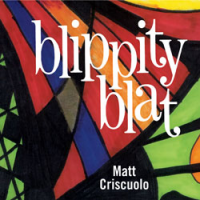
by Glenn Astarita
Matt Criscuolo is a restaurateur in Connecticut, but also a veteran alto saxophonist and not just a hobbyist with spare finances to record albums. With his fourth outing as a leader, he once again aligns some of the finest jazz artisans such as, pianist Larry Willis and French horn maestro, John Clark. Criscuolo possess a unique ...
Frank Wess: Magic 201
by Dan Bilawsky
What a wonderful coda on an incredible life and career. Saxophonist/Flautist Frank Wess' final recordings--the critically acclaimed Magic 101 (IPO, 2013) and this follow-up, recorded two months after that album--speak to his brilliance and clarity as a melody maker and improviser. His wisdom and elegance come through in every note on both recordings. ...
Rob Derke & the NYJAZZ Quartet: Blue Divide
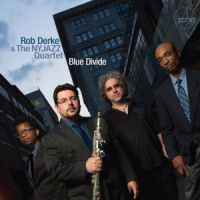
by J Hunter
The name “NYJAZZ Quartet" does beg the question, “What is New York Jazz?" Even narrowing the definition to “home grown" music doesn't help, since that range runs from the mainstream sounds of Birdland and the Blue Note to the next-level avant-garde associated with Smalls and the late lamented Knitting Factory. With Blue Divide, saxman Rob Derke ...
Rob Derke & The NYJAZZ Quartet: Blue Divide
by Dan Bilawsky
Saxophonist Rob Derke--the man behind the jazz-promoting nonprofit known as the NYJAZZ Initiative--significantly widened his reach with Mad About Thad (Jazzheads, 2011). That album, a finely sculpted tribute to the great trumpeter-composer Thad Jones, helped to shine a light on Derke's organization and brought more deserved attention to the music of a dearly departed legend. Now, ...
Jane Ira Bloom: Sixteen Sunsets
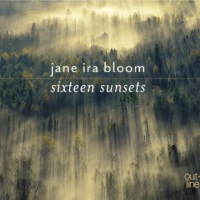
by Hrayr Attarian
Soprano saxophone virtuoso Jane Ira Bloom's intensely intimate and simultaneously cinematic Sixteen Sunsets is quite different from her preceding albums, Like Silver, Like Song (Artistshare, 2005), Mental Weather (Outline, 2008) and Wingwalker (Outline, 2010). Gone are the edgy flirtations with freer styles as well as the provocative, electrifying compositions. Instead the material is mostly standards and ...
Jane Ira Bloom: Sixteen Sunsets
by Dan McClenaghan
Sidney Bechet pioneered the use of the soprano saxophone in jazz in the early 20s. John Coltrane brought that “straight horn" out of a relative dormancy of use in 1959 with his anthem-like take on Rodgers and Hammerstein's “My Favorite Things" on his Atlantic Records album of the same name. Steve Lacy took the soprano “out ...
Rich Rosenthal: Falling Up

by Glenn Astarita
At a young age, New York-based guitarist Rich Rosenthal guitarist, was weaned on the cutting-edge sounds of Steve Lacy, Sun Ra, the Art Ensemble of Chicago and other iconoclasts, broadening the jazz vernacular. With a lack of family support for becoming a career musician, Rosenthal needed to work through some inner-conflicts, while subsequently completing a jazz ...
Greg Lewis: Organ Monk: American Standard
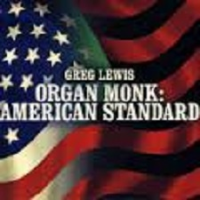
by C. Michael Bailey
Dan Bilawsky was mightily impressed with Greg Lewis' two previous Organ Monk offerings, Two in the Black (Self Produced, 2012) and Organ Monk (Self Produced, 2010), where he notes the challenges to non-piano surveys of Thelonious Monk's canon. Greatly in absence is the element of Monk's percussive pianism. But Bilawsky notes that Lewis compensates for this ...
Album Showcase




Trending
 Interview
Lou Marini: A Solo Career Starting At The Age Of 80
 History of Jazz
John Coltrane in Detroit: A Brief History
 Live Review
The Tension Is Where the Music Lives: Miles Davis at 100,...
 Live Review
Detroit Jazz Festival 2026: A Gathering in a Great Jazz City
 Radio & Podcasts
Sullivan Fortner, Jim Rotondi & Dena DeRose, Ardeshir,...
 Reanimating Conversations Past
Charlie Haden: Anatomy of a Jazz Classic
 Profile
The Discreet Charm of Tete Montoliu
VOTE!