Home » Jazz Articles » Album Review » Matt Turner: Patina
Matt Turner: Patina
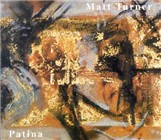
Whereas Dada Ear Ink made it clear that all sounds heard came from the piano, perhaps prepared with different materials on the strings, Patina declares the following: "All software treatments manipulated and recorded in real time using only the cello. 'Mx c2L,' 'Drez,' 'Space Cathedral' and 'Drawn and Quartered' all contain multiple tracks. All selections improvised with no editing.
As with Dada Ear Ink, I had to just go with the flow and let the music take me wherever it wanted. In "Zkronque, the sounds were mostly recognizable pluckings and bowings. "Buoyant, "Space Cathedral, "Drez, and to a lesser extent "Sus had processed harmonics and overtones that immediately brought images of space and its vastness and our loneliness within it. In "Q , Turner manages to create gong and bell-like sounds, which is impressive. "Drawn and Quartered and "Palimpsest seem to revolve around long bowed notes and close harmonic interference. The others were more abstract, had more electronic sounds, and tended to be much softer than the others.
I must admit that I enjoyed this effort less than Dada Ear Ink and both these very much less than Open View, which also involved processing of played notes.
Once again, aside from the issue of placing these efforts within the artistic framework of jazz, and perceiving what level of skill is needed to produce them, I must report that neither triggered much of an emotional response from me. Patina came off as fairly static (less so in the "obvious tracks) while Dada Ear Ink was only slightly less so.
Visit Matt Turner on the web.
 FOLLOW Budd Kopman
and get notified whenever a new article published.
FOLLOW Budd Kopman
and get notified whenever a new article published.
Jazz musicians are magicians and Jazz is the spell they cast
Track Listing
Scraps; VjT; Mx c2L; Grain; Zkronque; Buoyant; Sus; Palimpsest; LF2 / p; Shro; Drez; Space Cathedral; Q; Drawn and Quartered
Personnel
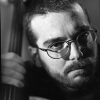
Matt Turner
celloMatt Turner (Yamaha Silent Cello)
Album information
Title: Patina | Year Released: 2005 | Record Label: Fever Pitch Records
About Matt Turner
Tags
PREVIOUS / NEXT

Become a Sustaining Member

Since 1995, All About Jazz has championed jazz as an art form and supported the musicians who create it. Over three decades, it has grown into one of the world's leading jazz resources, serving hundreds of thousands of readers, musicians, presenters and industry professionals each month.
Help Build the Future of All About Jazz
Your support helps us continue building All About Jazz for the next generation—expanding our editorial coverage, preserving jazz history, developing new community features and creating better ways to discover the music and the people behind it.
Become a sustaining member for as little as $20 per year and you'll immediately enjoy an ad-free experience along with access to subscriber features and future articles for a full year.
Together, we're not simply sustaining All About Jazz—we're building its future. Thank you for being part of the journey.