Seattle's Lost Funk Scene

Seattle has always been a cultural cul-de-sac. Geographically, the city sits on the edge of a state in the country's far Northwest reaches. Zoom in on the city and you'll notice that Seattle rests on an isthmus, with large bodies of water on either side. And if you happened to be a black resident between 1937 and the 1970s, you likely lived in the Central District (or “CD"), thanks to unwritten real estate rules that kept blacks from living anywhere else.
And yet, the city's very remoteness, isolation and concentrated black neighborhood has made it a hothouse for musical talent burning toreach the outside world with their art. Ask about Seattle today and most people will say it's the birthplace of rap legend Sir Mix-a-Lot and grunge—the white alternative-rock movement of the 1990s led by bands like Pearl Jam and Nirvana. Or that it's home to indie rock band Death Cab for Cutie.
But back in the mid-'60s and early '70s, Seattle was home to another sound—a socially conscious soul-funk genre that was aggrandized by the city's hive of clubs and after-hours establishments. Now, a smart and passionate documentary, Wheedle's Groove, tells the story of Seattle's lost soul-funk movement. The DVD charts this little-known style from its rise in the mid-'60s to its abrupt end in 1975 as economically hard-hit clubs began replacing Seattle's live bands with turntables, speakers and 12-inch vinyl singles.
Seattle's music history is rich—dating back to the emergence of the defense industry in the late 1930s and migration of Southern blacks seeking employment there. The city produced its share of jazz musicians (Quincy Jones being among the most prominent). The result in the '40s was a mix of thriving jazz clubs and theaters, which became major stops for touring big bands and jazz artists crossing Canada en route to Los Angeles and New York.
As Seattle's black population expanded in the late '50s and'60s, so did the city's indigenous music scene. Particularly helpful was the city's disproportionately high rainfall, which kept soul-funk musicians indoors practicing and jamming for long periods. Also vital to the new sound's development was the Central District's black radio station KYAC (where Quincy Jones' brother Lloyd was a DJ), the establishment of a regional Black Panthers office, and the fact that some bands and many clubs were integrated.
But unlike many cities, where rock and soul musicians left for opportunities in larger media centers, most of Seattle's funk and soul artists remained, specializing in a social-commentary style inspired by Sly Stone and James Brown. There were enough playing opportunities and enough paying audiences to sustain the musicians and keep them from leaving.
The result was a home-grown sound akin to Memphis' Stax and Detroit's Motown. Except there was no Jim Stewart, Estelle Axton and Al Bell or Berry Gordy in Seattle to create a unified hit-making machine. Instead, a fractured marketplace wtih microlabels like Topaz, Camelot, Sepia and Ice held onto slices of the music pie. Lacking sufficient distribution muscle and promotional dollars, the labels struggled to gain national airplay. As a result, the rest of the country never heard the music of Seattle's artists.
The beginning of the end for Seattle's soul-funk scene came in 1971, when government funding for the SST ended Boeing's production plans, and more than 60,000 plant jobs were lost. In the pre-Microsoft years, Seattle fell on hard times, and disco's cost-efficient method of delivering dance music through technology rather than live musicians placed irreversible burdens on groups that were already struggling to make ends meet.
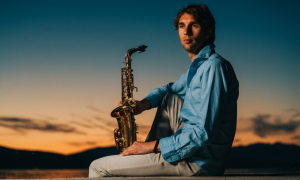
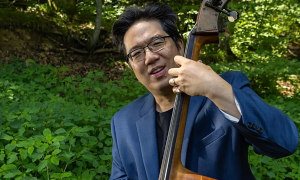
Interestingly, some of the bands—like Cold, Bold & Together—were integrated.Perhaps the most famous musicians to leave Seattle's soul-funk scene when the music hit the skids were Kenneth Gorelick [pictured left] and Philip Woo [pictured below]. Kenneth who? That would be Kenny G., the smooth-jazz saxophonist who is routinely mocked by jazz fans. Back in the early '70s, he was a stone-cold soul-funk player for Cold, Bold & Together. Band member and keyboard player Woo left to join Roy Ayers' Ubiquity.
As Wheedle's Groove shows, Seattle's soul-funk bands—including Black On White Affair, Robbie Hill's Family Affair and Cookin' Bag—weren't choreographed crossover acts or pop-gospel vocal ensembles. They were doing their own thing. And in the 10 years that the movement thrived, the music came to reflect a moody, restless city that was brimming with energy, excitement and gifted musicians. Sadly, the musicians were overlooked or ignored by the county's major recording centers and nearly forgotten by history. Wheelde's Groove revives the scene and preserves the past. [Pictured at top, Robbie Hill; bottom, Cookin' Bag]
JazzWax tracks: Perhaps the best CD introduction to Seattle's soul-funk sound is available on Wheedle's Groove: Seattle's Finest in Funk & Soul, 1965-75 (Light in the Attic). You'll find it at iTunes and Amazon. This is highly instrumental music that was greatly influenced by Sly Stone and James Brown.
JazzWax DVD: The companion DVD documentary, Wheedle's Groove: Seattle's Forgotten Soul of the 1960s and '70s (101 Distribution), directed by Jennifer Maas, is available at Amazon. For more on the movie, go it the Wheedle's Groove site.
JazzWax clips: What's particularly special about the Seattle soul-funk sound is that its a highly instrumental form. Think Tower of Power meets Kool and the Gang meets Ohio Players. Heavy on the guitar wah-wah pedal, infectious organ riffs and bouncy bass licks.
Here's a taste of the music—Wheedle's Groove by Annakonda...
And here's the Wheedle's Groove trailer...
And yet, the city's very remoteness, isolation and concentrated black neighborhood has made it a hothouse for musical talent burning toreach the outside world with their art. Ask about Seattle today and most people will say it's the birthplace of rap legend Sir Mix-a-Lot and grunge—the white alternative-rock movement of the 1990s led by bands like Pearl Jam and Nirvana. Or that it's home to indie rock band Death Cab for Cutie.
But back in the mid-'60s and early '70s, Seattle was home to another sound—a socially conscious soul-funk genre that was aggrandized by the city's hive of clubs and after-hours establishments. Now, a smart and passionate documentary, Wheedle's Groove, tells the story of Seattle's lost soul-funk movement. The DVD charts this little-known style from its rise in the mid-'60s to its abrupt end in 1975 as economically hard-hit clubs began replacing Seattle's live bands with turntables, speakers and 12-inch vinyl singles.
Seattle's music history is rich—dating back to the emergence of the defense industry in the late 1930s and migration of Southern blacks seeking employment there. The city produced its share of jazz musicians (Quincy Jones being among the most prominent). The result in the '40s was a mix of thriving jazz clubs and theaters, which became major stops for touring big bands and jazz artists crossing Canada en route to Los Angeles and New York.
As Seattle's black population expanded in the late '50s and'60s, so did the city's indigenous music scene. Particularly helpful was the city's disproportionately high rainfall, which kept soul-funk musicians indoors practicing and jamming for long periods. Also vital to the new sound's development was the Central District's black radio station KYAC (where Quincy Jones' brother Lloyd was a DJ), the establishment of a regional Black Panthers office, and the fact that some bands and many clubs were integrated.
But unlike many cities, where rock and soul musicians left for opportunities in larger media centers, most of Seattle's funk and soul artists remained, specializing in a social-commentary style inspired by Sly Stone and James Brown. There were enough playing opportunities and enough paying audiences to sustain the musicians and keep them from leaving.
The result was a home-grown sound akin to Memphis' Stax and Detroit's Motown. Except there was no Jim Stewart, Estelle Axton and Al Bell or Berry Gordy in Seattle to create a unified hit-making machine. Instead, a fractured marketplace wtih microlabels like Topaz, Camelot, Sepia and Ice held onto slices of the music pie. Lacking sufficient distribution muscle and promotional dollars, the labels struggled to gain national airplay. As a result, the rest of the country never heard the music of Seattle's artists.
The beginning of the end for Seattle's soul-funk scene came in 1971, when government funding for the SST ended Boeing's production plans, and more than 60,000 plant jobs were lost. In the pre-Microsoft years, Seattle fell on hard times, and disco's cost-efficient method of delivering dance music through technology rather than live musicians placed irreversible burdens on groups that were already struggling to make ends meet.
Interestingly, some of the bands—like Cold, Bold & Together—were integrated.Perhaps the most famous musicians to leave Seattle's soul-funk scene when the music hit the skids were Kenneth Gorelick [pictured left] and Philip Woo [pictured below]. Kenneth who? That would be Kenny G., the smooth-jazz saxophonist who is routinely mocked by jazz fans. Back in the early '70s, he was a stone-cold soul-funk player for Cold, Bold & Together. Band member and keyboard player Woo left to join Roy Ayers' Ubiquity.
As Wheedle's Groove shows, Seattle's soul-funk bands—including Black On White Affair, Robbie Hill's Family Affair and Cookin' Bag—weren't choreographed crossover acts or pop-gospel vocal ensembles. They were doing their own thing. And in the 10 years that the movement thrived, the music came to reflect a moody, restless city that was brimming with energy, excitement and gifted musicians. Sadly, the musicians were overlooked or ignored by the county's major recording centers and nearly forgotten by history. Wheelde's Groove revives the scene and preserves the past. [Pictured at top, Robbie Hill; bottom, Cookin' Bag]
JazzWax tracks: Perhaps the best CD introduction to Seattle's soul-funk sound is available on Wheedle's Groove: Seattle's Finest in Funk & Soul, 1965-75 (Light in the Attic). You'll find it at iTunes and Amazon. This is highly instrumental music that was greatly influenced by Sly Stone and James Brown.
JazzWax DVD: The companion DVD documentary, Wheedle's Groove: Seattle's Forgotten Soul of the 1960s and '70s (101 Distribution), directed by Jennifer Maas, is available at Amazon. For more on the movie, go it the Wheedle's Groove site.
JazzWax clips: What's particularly special about the Seattle soul-funk sound is that its a highly instrumental form. Think Tower of Power meets Kool and the Gang meets Ohio Players. Heavy on the guitar wah-wah pedal, infectious organ riffs and bouncy bass licks.
Here's a taste of the music—Wheedle's Groove by Annakonda...
And here's the Wheedle's Groove trailer...
This story appears courtesy of JazzWax by Marc Myers.
Copyright © 2026. All rights reserved.