Home » Jazz Articles » Album Review » Joey Baron: Down Home
Joey Baron: Down Home
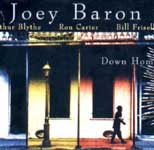
Smart and sassy soul is what's on the menu here. There's the gut-bucket R&B of old Prestige records ("Mighty Fine"), the Meters beat of "Wide Load" (featuring a gem of a Carter solo), the James Brown funk of "What" (with the funkiest Frisell solo ever) and the lively bar band blues of "The Crock Pot" (showcasing Baron himself).
The tunes, all Baron originals, seem to pay homage to the other players as well; especially Baron's former boss, Frisell. There's the Frisell-like ballad of "Little Boy," the all-too brief guitar-bass duo of "Listen To The Woman" (which, surprisingly, suggests Gabor Szabo) and "Supposing," a short recollection of Jerry Granelli's A Song I Thought I Heard Buddy Sing (another Frisell project). "Aren't We All" is prototypical Arthur Blythe. And "Wide Load" is reminiscent of Carter's CTI days.
The spotlight, however, shines on Blythe and Frisell. Blythe—whose style is never less than distinctively his own—strikes a balance somewhere between David Sanborn and Hank Crawford in these environs. And Frisell, who sticks to his electric guitar throughout (no synth), is outstanding; giving at least two solos ("Mighty Fine" and "Wide Load") that are worth the price of admission.
Unfortunately, I'm not familiar with Baron's previous solo work with unusual trios like Baron Down. But anyone who's seen Baron in performance (with Frisell or John Zorn) knows the drummer likes to have fun when he plays. Here, the listener joins the joyride too. Down Home, despite its brief 45-minute running time is, indeed, mighty fine; a hearty menu with plenty of meaty playing.
 FOLLOW Douglas Payne
and get notified whenever a new article published.
FOLLOW Douglas Payne
and get notified whenever a new article published.
Doug has produced CDs for such artists as Peter Thomas, Lalo Schifrin, Ennio Morricone and Cal Tjader.
Track Listing
Mighty Fine, Little Boy, Wide Load, The Crock Pot, What, Listen To The Woman, Aren't We All, Supposing.
Personnel

Joey Baron
drumsArthur Blythe: alto sax; Bill Frisell: guitar; Ron Carter: bass; Joey Baron: drums.
Album information
Title: Down Home | Year Released: 1998 | Record Label: Intuition
About Joey Baron
Tags
PREVIOUS / NEXT
Become a Sustaining Member

Since 1995, All About Jazz has championed jazz as an art form and supported the musicians who create it. Over three decades, it has grown into one of the world's leading jazz resources, serving hundreds of thousands of readers, musicians, presenters and industry professionals each month.
Help Build the Future of All About Jazz
Your support helps us continue building All About Jazz for the next generation—expanding our editorial coverage, preserving jazz history, developing new community features and creating better ways to discover the music and the people behind it.
Become a sustaining member for as little as $20 per year and you'll immediately enjoy an ad-free experience along with access to subscriber features and future articles for a full year.
Together, we're not simply sustaining All About Jazz—we're building its future. Thank you for being part of the journey.