Home » Jazz Articles » Album Review » Hummus Crisis: Banks Of The River
Hummus Crisis: Banks Of The River
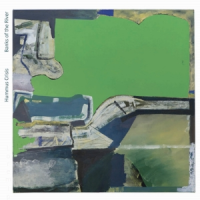
The reason for bringing Dankworth in was that the trio felt the material, most of it written during the pandemic and characterised by a generally reflective vibe, called for a more lyrical approach. It was a good decision; Dankworth and Twyford anchor things with crisp precision. (It is unfortunate that many with-organ line-ups do not also include a bassist, because foot-pedalled bass lines suffer from a lack of percussive attack and almost invariably sound muddy. But that is for another discussion). Despite the ghastly two years during which most of the material was written, the music feels positive throughout.
Armstrong and Pickett are the main soloists, although Dankworth takes a solo on Armstrong's waltz, "Chintz," and Twyford engages in some energetic trades on Pickett's "Heavy Days," the most up-tempo piece on the album. Armstrong's melodic, cleanly articulated, single-note soloing is a delight, and Pickett's right hand similarly so.
Banks Of The River is consistently good and it is difficult to pick standout tracks. But "Polka Dots And Moonbeams," in which the theme is not actually played until the end of the track, following solos from Pickett and Armstrong, deserves a shout. So does Armstrong's "Banks Of The River J," a tribute to the late British guitarist Ronny Jordan, whose acid-jazz cover of Miles Davis' "So What" was a worldwide hit in 1992-3. It would be good to hear Hummus Crisis' organ-trio version of "Banks Of The River J" too (maybe with a guest electric bassist?).
 FOLLOW Chris May
and get notified whenever a new article published.
FOLLOW Chris May
and get notified whenever a new article published.
Chris May is a senior editor of All About Jazz. He was previously the editor of the pioneering magazine Black Music & Jazz Review, and more recently editor of the style / culture / history magazine Jocks & Nerds.
Track Listing
Dutch Daffs; Those Who Wait; Ere This Groove We Lay Down; Polkadots & Moonbeams; The Artist; Banks Of The River J; Chitz; Heavy Days; Vesting Day.
Personnel

Kevin M Armstrong
guitar, electric
Martin Pickett
pianoBen Twyford
drums
Alec Dankworth
bass, acousticAlbum information
Title: Banks Of The River | Year Released: 2023 | Record Label: Jazzcahoots
About Kevin M Armstrong
Tags
PREVIOUS / NEXT


Become a Sustaining Member

Since 1995, All About Jazz has championed jazz as an art form and supported the musicians who create it. Over three decades, it has grown into one of the world's leading jazz resources, serving hundreds of thousands of readers, musicians, presenters and industry professionals each month.
Help Build the Future of All About Jazz
Your support helps us continue building All About Jazz for the next generation—expanding our editorial coverage, preserving jazz history, developing new community features and creating better ways to discover the music and the people behind it.
Become a sustaining member for as little as $20 per year and you'll immediately enjoy an ad-free experience along with access to subscriber features and future articles for a full year.
Together, we're not simply sustaining All About Jazz—we're building its future. Thank you for being part of the journey.