Home » Jazz Articles » Album Review » Yakir Arbib & Conti Bilong: Afro Baroque
Yakir Arbib & Conti Bilong: Afro Baroque
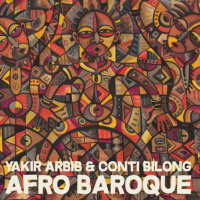
The driving force behind this cross-genre synthesis is the combination of Israeli-Italian pianist Yakir Arbib and Cameroonian drummer and vocalist Conti Bilong. Arbib has been blind since birth and suffers from synesthesia, which blends senses so that musical tones are seen as different colors. A Berklee graduate, he is equally conversant in jazz and classical music and has collaborated with artists as diverse as Kurt Rosenwinkel, Al Jarreau, Nils Petter Molvaer and the Jerusalem Symphony Orchestra.
Bilong's journey is just as inspirational, starting from a small town in Cameroon as a self-taught drummer with an innate understanding of rhythm, to becoming a world-class drummer. His experiences with the Soul Makossa Band, led by Manu Dibango, and collaborations with Oumou Sangaré have helped form his blend of traditional African rhythms with contemporary influences.
There are four compositions from Bilong including the opening track, "Ngola and Ekang." This includes vibrant African rhythms, vocal chants, synthesizers and classically influenced piano improvisations interspersed through the track, encapsulating the album's Baroque-meets-Africa aesthetic. Arbib's driving piano style may find listeners recalling the way Shai Maestro worked with Avishai Cohen's rhythmic bass lines.
Bilong's other compositions also showcase his range and sophistication. Kwanae Johnson opens with a delicate harpsichord-like introduction before erupting into driving percussion and Arbib's fleet-fingered piano work. "Muna WonDJa" takes a different approach entirely with its buoyant reggae rhythms bringing a sense of lightness. The collection's crown jewel, however, is "Mout Binam Nou." Arbib's subtle piano accompaniment provides space for Bilong's moving and meditative vocals; though sung in the Basa language, they carry an emotional weight that needs no translation.
Arbib's compositional credits include the title track with its triumphal opening. His improv moves from classical to Baroque to jazz over driving drums. "Stuck in Dagestan" concerns the conflict in that region with angry, fast-paced piano and bustling rhythms. The album concludes with "Barbès-Rochechouart" (presumably referring to the Paris Métro station). The music-box melody is Erik Satie-like, full of romance and regret. Bilong adds quiet, subtle touches, letting the haunting song flow.
This unlikely partnership also makes the bold choice of tackling Miles Davis' "All Blues," transforming the jazz standard into something individual. The album continually surprises; mixing diverse traditional rhythms with piano counterpoint, often in a Baroque style, has produced a singular album of dynamic and colorful interplay. Their synergy proves that many rewarding musical journeys often begin at the junction of the familiar and the unexpected.
 FOLLOW Neil Duggan
and get notified whenever a new article published.
FOLLOW Neil Duggan
and get notified whenever a new article published.
I find what Art Blakey said to be true - “Jazz washes away the dust of everyday life.”
Track Listing
Ngola and Ekang; Wana So; All Blues; Mout Binam Nou; Afro Baroque; Muna Wondja; Stuck in Dagestan; Barbès-Rochechouart.
Personnel

Additional Instrumentation
Yakir Arbib: piano (1-8), keyboards (1-8); Conti Bilong: drums (1-8), vocals (1-8), percussion (1-8).
Album information
Title: Afro Baroque | Year Released: 2025 | Record Label: Elsden Music
About Yakir Arbib & Conti Bilong
Tags
PREVIOUS / NEXT


Become a Sustaining Member

Since 1995, All About Jazz has championed jazz as an art form and supported the musicians who create it. Over three decades, it has grown into one of the world's leading jazz resources, serving hundreds of thousands of readers, musicians, presenters and industry professionals each month.
Help Build the Future of All About Jazz
Your support helps us continue building All About Jazz for the next generation—expanding our editorial coverage, preserving jazz history, developing new community features and creating better ways to discover the music and the people behind it.
Become a sustaining member for as little as $20 per year and you'll immediately enjoy an ad-free experience along with access to subscriber features and future articles for a full year.
Together, we're not simply sustaining All About Jazz—we're building its future. Thank you for being part of the journey.