Home » Jazz Articles » Multiple Reviews » Soft Machine: BBC in Concert 1971 and BBC in Concert 1972
Soft Machine: BBC in Concert 1971 and BBC in Concert 1972
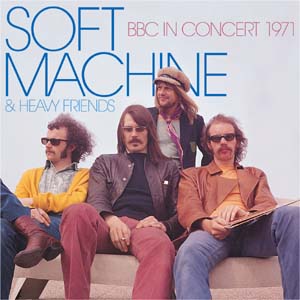 | 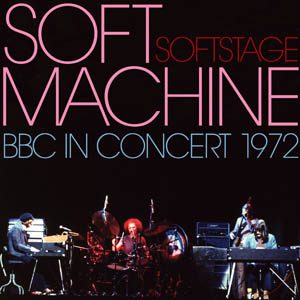 |
Soft Machine BBC in Concert 1971 Hux 2005 | Soft Machine BBC in Concert 1972 Hux 2005 |
These two archival releases of Soft Machine in varying lineups reveal a seminal band in flux and act as a prism into the development of jazz-influenced rock in the '70s.
After four albums, Soft Machine's lineup had stabilized to the classic version most people know and love. After dabbling with pyschedelia and Canterbury styles, the addition of Elton Dean on reeds pushed the band firmly in the direction of a jazz-rock in many ways more ambitious in scope than American counterparts (Soft Machine really established what would make Weather Report much more famous). But by the time of this earlier BBC broadcast, the group's creative solidity had wore away, as Dean's jazz inclinations were at odds with drummer Robert Wyatt's songwriter tendencies. This performance is a rare case of a band changing forms all at once for a live audience. Beginning with Dean's quintet of the time, then folding in the remainder of the Softs quartet and then summing up with an allstar blowout of expected folks (Marc Charig, Roy Babbington, et. al.) and oddly enough Ronnie Scott, the Soft Machine that triumphed with the albums Third and Fourth was essentially buried. What would remain would go on to make less impressive albums like Fifth and Six before continuing to shed original members and generally decline in quality.
That post-Fourth lineup (organist Mike Ratledge and fuzz bass wonder Hugh Hopper from the original band matched against new members drummer John Marshall and reedman Karl Jenkins) reflect another turn in the development of jazz rock, as is apparent on the 1972 BBC broadcast. Jenkins and Marshall came out of Nucleus, a much more Miles Davis-derivative fusion band. Recorded shortly before Six, the grand sweep, almost so grand as to overwhelm, of earlier albums and songs was gone, replaced by the vamp-heavy composing found in post-1972 fusion, Nucleus included. The mix of Ratledge and Hopper's wondrous sounds with Marshall and Jenkins' more pedestrian playing still has lots of life in it, particularly when addressing earlier material but does make the 1971 album more of a wake than a celebration.
Tracks and Personnel
BBC Live in Concert 1971
Tracks: John Peel introduction; Blind Badger; Neo-Caliban Grides; Out Bloody Rageous (excerpt) Eamonn Andrews All White Kings and Queens Teeth Pigling Bland 10.30 Returns to the Bedroom; Slightly All The Time (excerpt)/Noisette.
Personnel: Mark Charig: trumpet; Elton Dean: saxophones; Phil Howard: drums; Mike Ratledge: organ; Neville Whitehead: bass; Hugh Hopper: bass; Robert Wyatt: drums; Roy Babbington: bass; Paul Nieman: trombone; Ronnie Scott: sax.
BBC Live in Concert 1972
Tracks: Fanfare; All White; Slightly All The Time; MC; Drop; Stumble; One Across; As If; Riff; Gesolreut
Personnel: Hugh Hopper: bass; Karl Jenkins: reeds; John Marshall: drums; Mike Ratledge: organ.
 FOLLOW A. Henkin
and get notified whenever a new article published.
FOLLOW A. Henkin
and get notified whenever a new article published.
About Soft Machine

Tags
PREVIOUS / NEXT
Become a Sustaining Member

Since 1995, All About Jazz has championed jazz as an art form and supported the musicians who create it. Over three decades, it has grown into one of the world's leading jazz resources, serving hundreds of thousands of readers, musicians, presenters and industry professionals each month.
Help Build the Future of All About Jazz
Your support helps us continue building All About Jazz for the next generation—expanding our editorial coverage, preserving jazz history, developing new community features and creating better ways to discover the music and the people behind it.
Become a sustaining member for as little as $20 per year and you'll immediately enjoy an ad-free experience along with access to subscriber features and future articles for a full year.
Together, we're not simply sustaining All About Jazz—we're building its future. Thank you for being part of the journey.