Home » Jazz Articles » Album Review » Magnus Broo Quartet: Painbody
Magnus Broo Quartet: Painbody
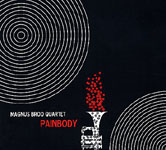
As is typical of Broo's quartet releases, the composition credits are shared between Broo and Gulz and are highly rhythmic, with extrovert playing by all. Broo's opening "Africa" revolves around a spare rhythm, gently referencing an African string instrument, based on Gulz's hammering of the piano strings. It evolves into a free-bop suite with Broo and Gulz almost telepathically reading each other's musical ideas. Broo's "Painbody" and "Das Boot" are faster, featuring tight and muscular rhythmic interplay and Broo's soaring trumpet. His solos are gifted with clarity and wide emotional articulation and a distinct, melodic and swinging tone, developed with memorable phrases and themes reminiscent of the late Don Cherry and Lester Bowie.
Gulz's short "Vera Li," a gentle duet with Holgersson, serves as a short break before returning to the quartet's usual extroverted style. Broo's "Second Wind" begins with a contemplative spirit where he opts for a sensitive breathy tone, as if preaching a gospel lament; his playing gains its sweeping momentum and is backed beautifully by everyone. "Koba" and "Smolk" feature free-bop structures, complete with recognizable swinging beats that leave enough room for Broo to outline impressive and well-articulated solos. The concluding composition, "Don Don," a clear tribute to Cherry's almost anthemic playing, is a funkier piece, featuring Wellin on electric bass, trading short and fast solos with Broo.
Here's hoping it won't be too long until the next release from this excellent quartet.
 FOLLOW Eyal Hareuveni
and get notified whenever a new article published.
FOLLOW Eyal Hareuveni
and get notified whenever a new article published.
Eyal Hareuveni is an Israeli journalist who lives in Jerusalem.
Track Listing
Africa; Painbody; Das Boot; Vera Li; Second Wind; Clockwise; Koba; Smolk; Don Don.
Personnel

Magnus Broo
trumpetMagnus Broo: trumpet; Torbjorn Gulz: piano; Mattias Welin: bass; Jonas Holgersson: drums.
Album information
Title: Painbody | Year Released: 2008 | Record Label: Moserobie
About Magnus Broo
Tags
PREVIOUS / NEXT


Become a Sustaining Member

Since 1995, All About Jazz has championed jazz as an art form and supported the musicians who create it. Over three decades, it has grown into one of the world's leading jazz resources, serving hundreds of thousands of readers, musicians, presenters and industry professionals each month.
Help Build the Future of All About Jazz
Your support helps us continue building All About Jazz for the next generation—expanding our editorial coverage, preserving jazz history, developing new community features and creating better ways to discover the music and the people behind it.
Become a sustaining member for as little as $20 per year and you'll immediately enjoy an ad-free experience along with access to subscriber features and future articles for a full year.
Together, we're not simply sustaining All About Jazz—we're building its future. Thank you for being part of the journey.