Home » Jazz Articles » Album Review » John Coltrane: Ole
John Coltrane: Ole
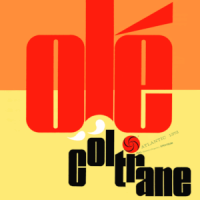
His albums gained in momentum, one after the other, until his death in1967, when perhaps he finally went even further beyond. When he recorded Olé Coltrane in 1961, Trane was already transitioning over to Impulse! Records, and his playing reflected the greater freedom that the new label afforded him. In the original liner notes, he is quoted as saying (in a classic understatement), "I like to play long." On the 18-minute showpiece "Olé," one can imagine the profound satisfaction he must have felt, when for the first time, he was free to let his playing stretch out across the record grooves. This is trance music of the highest order. Recorded one year after his former boss Miles Davis released Sketches of Spain , Trane's "Olé" resonates with the mystical sounds of the North African Moors who once ruled the Iberian Peninsula. While Sketches of Spain is big on Gil Evans' sweeping orchestrations and flamenco grandeur, "Olé" explores the Eastern-influenced musical modes of Islamic Spain in a more stripped down and earthy manner. Just two days after recording Africa/Brass, his stunning debut album for Impulse!, Trane took old band mates McCoy Tyner and Elvin Jones into the studio for a rendezvous with some talented new friends. Joining them there were Trane's equally intense and innovative counterpart, Eric Dolphy, the very young trumpeter Freddie Hubbard, and bassists Reggie Workman and the Art Davis.
This dream team provided a great deal of musical empathy, liberating the conception and size of Coltrane's solos, spurring him to unknown heights. Everyone except Elvin Jones solos on "Olé," shaping the song with ever increasing freedom into the masterpiece that it is. Eric Dolphy's flute solo is unforgettable, communicating genius in a voice that no one could fail to identify. The interplay of the two basses lends an eerie mysticism to the song, with Art Davis' strong rhythmic bow-work suggesting the entrancing dance of Istanbul's Whirling Dervishes. "Dahomey Dance" is a more traditional sounding blues, with Trane switching to tenor sax. If not for the double-bass frontline and Dolphy's blissfully unconventional solo, this song could easily be mistaken for a missing gem from Miles' Kind Of Blue sessions. The album closes out with two beautifully lush songs. "Aisha" burns with such sensuality that it's hard to understand why it was one of the few McCoy Tyner compositions Trane ever recorded. The final track, a Billy Frazier composition entitled "Original Untitled Ballad (To Her Ladyship)," was not released until 1970. A lovely and delicate tune, it was excluded from the original release for some strange reason. A transitional record, Olé Coltrane successfully navigates the line between Trane's sonically challenging later years and his earlier accessibility. A magnificent milestone in Trane's artistic growth, this is an essential recording for any collection.
 FOLLOW John Ballon
and get notified whenever a new article published.
FOLLOW John Ballon
and get notified whenever a new article published.
John is the founder of Must Hear Music and the foremost expert on the music of Betty Davis.
Track Listing
Olé (Coltrane); Dahomey Dance (Coltrane); Aisha (Tyner); Original Untitled Ballad (To Her Ladyship).
Personnel

John Coltrane
saxophoneJohn Coltrane—Tenor, Alto, and Soprano Saxophone; Eric Dolphy—Flute, Alto Saxophone; Freddie Hubbard—Trumpet; McCoy Tyner—Piano; Reggie Workman— Bass; Art Davis—Bass; Elvin Jones—Drums
Album information
Title: Ole | Year Released: 2003 | Record Label: Atlantic Jazz
About John Coltrane
Tags
PREVIOUS / NEXT


Become a Sustaining Member

Since 1995, All About Jazz has championed jazz as an art form and supported the musicians who create it. Over three decades, it has grown into one of the world's leading jazz resources, serving hundreds of thousands of readers, musicians, presenters and industry professionals each month.
Help Build the Future of All About Jazz
Your support helps us continue building All About Jazz for the next generation—expanding our editorial coverage, preserving jazz history, developing new community features and creating better ways to discover the music and the people behind it.
Become a sustaining member for as little as $20 per year and you'll immediately enjoy an ad-free experience along with access to subscriber features and future articles for a full year.
Together, we're not simply sustaining All About Jazz—we're building its future. Thank you for being part of the journey.