Terence Collie Releases New Album 'DNA'
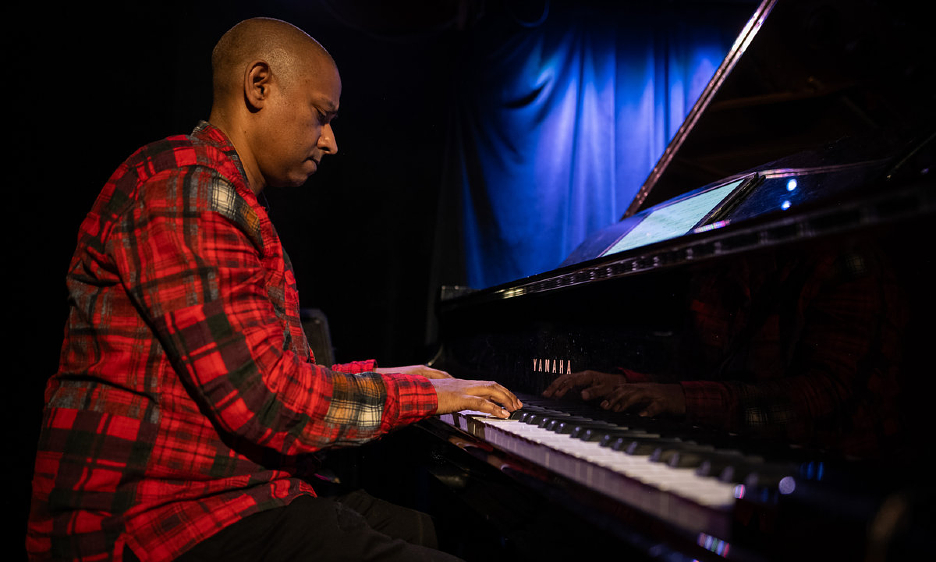
Courtesy Terence Collie
DNA is my most personal work to date, an album that explores identity, heritage and belonging through the lens of contemporary jazz composition. Rooted in my family heritage in the Seychelles, the music traces both a geographical and internal journey, from the UK to the Indian Ocean and from documented history to inherited memory. Looking beyond my known family tree, I began to uncover a wider lineage, with migratory roots spanning 26 regions across multiple continents. This perspective broadens and quietly underpins the music. While the starting point is autobiographical, the intention is not to present a fixed narrative but to create a space where these themes can be felt rather than explained.
—Terence Collie
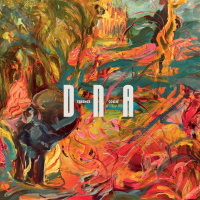
Adhyâropa Records is thrilled to announce the release of DNA (ÂRUK0005), the new album from British pianist and composer Terence Collie. Joined by an exceptional ensemble including bassist Nick Lenner-Webster, drummer Ted Carrasco, percussionist Cosimo Keita Cadore, and a string trio (violinist Ruth Elder, violist Clare Kennington, and cellist Jocasta Mudge), Collie presents a groundbreaking work that explores his ancestry and its profound influence on his music. The album’s first single “Montrose to Mahe" and the presale will launch on July 21, with the full album released on August 21.
Reflecting on his recent MOBO Amplified (Music of Black Origin) Award 2025, Collie says, “Winning the award made me reflect on my personal connection to my ancestry. I took a DNA test and discovered I come from 26 different nations. My third-great-grandfather, John Moses Collie, was born in Montrose. He left Aberdeen by boat in 1830, journeyed around the Horn of Africa, and arrived in the Seychelles. There, he married a French woman and opened one of the island’s first schools. What struck me about the Seychelles was its youth – just 250 years of habitation! – and its incredible cultural diversity.”
DNA is a musical embodiment of this heritage, beginning with the album’s opener, “Montrose to Mahe." This track serves as a “crossing,” blending Scottish folk traditions with African rhythms. It opens with a lilting 6/8 jig before evolving into a 12/8 groove, driven by call-and-response exchanges between piano and strings. The result is a gorgeous fusion of history and culture, seamlessly woven together by Collie’s colourful composition and the musicians’ artistry.
A defining feature of DNA is its percussive energy, with Cosimo Keita Cadore (whose Italian and Malayan heritage aligns perfectly with the project) taking center stage. “The music feels percussion-driven, and Cosimo’s background and vibrant personality made him the ideal fit. I also wanted to retain the core of my previous recording, so the trio with Nick and Ted was a natural choice. ”This is especially evident in the closing moments of the second single, “Tall Palm Trees," inspired by the Coco de Mer, a prehistoric palm native to the Seychelles’ Vallée de Mai (a UNESCO World Heritage Site). Known for producing the largest nut in the world, the Coco de Mer grows slowly, its roots deeply embedded in time. Collie draws a parallel between the palm’s character and the music, with Cosimo’s conga solo evoking the essence of both the nut and the melody.
The album’s sixth track, “Harbour View," is a tribute to Collie’s paternal grandparents’ guesthouse in the Seychelles. Here, he blends a traditional Sega rhythm (a vibrant Creole dance) within a 12-bar blues framework. “The accent is on the second triplet, and it’s incredibly danceable. I wanted to use the rhythm as the foundation for a tune. Given its traditional nature, I opted for a simple three-chord blues instead of complex harmonies. The result is a lively fusion of blues, jazz, and Creole groove, a true meeting place of cultures.”
Collie’s orchestration for strings shines brightest in “Beau Vallon," a track that channels nostalgia. “I’ve always loved writing for strings, and I enjoyed it so much on my last album that I decided to do it again. I’m so grateful to Ruth, Clare, and Jocasta, the way they breathe life into the music is breathtaking. I wanted the strings to carry the melody alongside the piano, and I’m incredibly proud of how it turned out.” Beau Vallon captures the joy and serenity of Collie’s childhood holidays, where family, sea, and sun shaped his musical sensibilities.
“Searching for my ancestry flicked a switch in my mind. I’ve had an outpouring of creativity, writing better music than ever before. This is only the beginning; I feel like I’ve found my calling.” DNA is a balance of composition and improvisation, a dialogue between past and present, and a celebration of the ongoing journey to understand where we come from.
Reflecting on his recent MOBO Amplified (Music of Black Origin) Award 2025, Collie says, “Winning the award made me reflect on my personal connection to my ancestry. I took a DNA test and discovered I come from 26 different nations. My third-great-grandfather, John Moses Collie, was born in Montrose. He left Aberdeen by boat in 1830, journeyed around the Horn of Africa, and arrived in the Seychelles. There, he married a French woman and opened one of the island’s first schools. What struck me about the Seychelles was its youth – just 250 years of habitation! – and its incredible cultural diversity.”
DNA is a musical embodiment of this heritage, beginning with the album’s opener, “Montrose to Mahe." This track serves as a “crossing,” blending Scottish folk traditions with African rhythms. It opens with a lilting 6/8 jig before evolving into a 12/8 groove, driven by call-and-response exchanges between piano and strings. The result is a gorgeous fusion of history and culture, seamlessly woven together by Collie’s colourful composition and the musicians’ artistry.
A defining feature of DNA is its percussive energy, with Cosimo Keita Cadore (whose Italian and Malayan heritage aligns perfectly with the project) taking center stage. “The music feels percussion-driven, and Cosimo’s background and vibrant personality made him the ideal fit. I also wanted to retain the core of my previous recording, so the trio with Nick and Ted was a natural choice. ”This is especially evident in the closing moments of the second single, “Tall Palm Trees," inspired by the Coco de Mer, a prehistoric palm native to the Seychelles’ Vallée de Mai (a UNESCO World Heritage Site). Known for producing the largest nut in the world, the Coco de Mer grows slowly, its roots deeply embedded in time. Collie draws a parallel between the palm’s character and the music, with Cosimo’s conga solo evoking the essence of both the nut and the melody.
The album’s sixth track, “Harbour View," is a tribute to Collie’s paternal grandparents’ guesthouse in the Seychelles. Here, he blends a traditional Sega rhythm (a vibrant Creole dance) within a 12-bar blues framework. “The accent is on the second triplet, and it’s incredibly danceable. I wanted to use the rhythm as the foundation for a tune. Given its traditional nature, I opted for a simple three-chord blues instead of complex harmonies. The result is a lively fusion of blues, jazz, and Creole groove, a true meeting place of cultures.”
Collie’s orchestration for strings shines brightest in “Beau Vallon," a track that channels nostalgia. “I’ve always loved writing for strings, and I enjoyed it so much on my last album that I decided to do it again. I’m so grateful to Ruth, Clare, and Jocasta, the way they breathe life into the music is breathtaking. I wanted the strings to carry the melody alongside the piano, and I’m incredibly proud of how it turned out.” Beau Vallon captures the joy and serenity of Collie’s childhood holidays, where family, sea, and sun shaped his musical sensibilities.
“Searching for my ancestry flicked a switch in my mind. I’ve had an outpouring of creativity, writing better music than ever before. This is only the beginning; I feel like I’ve found my calling.” DNA is a balance of composition and improvisation, a dialogue between past and present, and a celebration of the ongoing journey to understand where we come from.
For more information contact Adhyâropa Uk.
Track Listing
Montrose to Mahe; Good Genes; Silhouette; Tall Palm Trees; Beau Vallon; Harbour View; La Digue; Bird Island.
Personnel

Terence Collie
pianoNick Lenner-Webster
bass, acousticTed Carrasco
drumsCosimo Keita
percussionRuth Elder
violinClare Kennington
violinJocasta Mudge
celloAlbum information
Title: DNA | Year Released: 2026 | Record Label: Adhyâropa Records