Home » Jazz Articles » Album Review » John Goldman: In Walked Pierre
John Goldman: In Walked Pierre
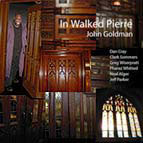
The opening title track, a Goldman original, is a soothing, loping number that features Pierre Walker contributing wordless vocals, often in unison with Goldman's horn, until the leader takes off with a crisp, conversational alto solo. The track clocks in at a little over nine minutes, giving the musicioans plenty of time to stretch out and introduce themselves.
The performance of "It Was A Very Good Year is a nice changeup, not least of all because it is rare to hear the tune performed without vocals. The instrumental treatment brings out the almost folk underpinnings of the melody, making it sound like a cousin to "Greensleeves. Underneath Goldman's soaring solo, bassist Clark Sommers and drummer Greg Wiserpratt maintain a rock-solid backbeat. Goldman gets a chance to display his prowess on the flute on a take of the gentle ballad "Ebony that also features gentle acoustic guitar work from Luciano Antonio. On the opposite end of the spectrum, "Katerina's is a hard bop spiced number that wouldn't sound out of a place on a classic Blue Note session.
In Walked Pierre is a wide-ranging disc that has room for lilting vocal tracks, ethereal ballads, and hard-driving blues. The diverse moods are matched by uniformly accomplished and imaginative instrumental performances.
FOLLOW Stephen Latessa
and get notified whenever a new article published.
Stephen Latessa is a traveling salesman and inveterate jazz listener.
Track Listing
In Walked Pierre; It Was A Very Good Year; Katerina's; Column Blues; Ebony; Hicks & Yahoos; West Nile; Mr. DC; Upper Manhattan Medical Group; Wednesday Night.
Personnel
John Goldman: alto and soprano saxophone, flute; Pierre Walker: vocal; Dan Cray: piano; Clark Sommers: bass; Greg Wiserpratt: drums; Luciano Antonio: acoustic guitar; Neal Alger: electric guitar; Pharez Whitted: trumpet; Jeff Parker: electric guitar; Donna Goldman: vocal.
Album information
Title: In Walked Pierre | Year Released: 2005 | Record Label: Blujazz Productions
About John Goldman
Tags
PREVIOUS / NEXT
Become a Sustaining Member

Since 1995, All About Jazz has championed jazz as an art form and supported the musicians who create it. Over three decades, it has grown into one of the world's leading jazz resources, serving hundreds of thousands of readers, musicians, presenters and industry professionals each month.
Help Build the Future of All About Jazz
Your support helps us continue building All About Jazz for the next generation—expanding our editorial coverage, preserving jazz history, developing new community features and creating better ways to discover the music and the people behind it.
Become a sustaining member for as little as $20 per year and you'll immediately enjoy an ad-free experience along with access to subscriber features and future articles for a full year.
Together, we're not simply sustaining All About Jazz—we're building its future. Thank you for being part of the journey.