Home » Jazz Articles » The Oceanic Brew Pub Chronicles » Jazz Night At the Oceanic Brew Pub, Oceanside, Californi...
Jazz Night At the Oceanic Brew Pub, Oceanside, California, Part Two: I Don't Stand A Ghost Of A Chance With You
The Oceanic's initial jazz night, on February 27, 2021, was marred by the emergence from inside Mom's piano of an escaped-from-its-cage pet snake, a five foot long Orange Ghost ball python. It scared the bejesus out of the crowd, and it still lived inside the wall that separated the Oceanic from a neighboring business. But Roy's second foray into live jazz didn't involve Juanita's piano. He instead brought in a chordless trio—saxophone, bass and drums—leaving the eighty-eights to lie fallow after its part in the brew pub's disastrous jazz debut.
So, on the Oceanic's Jazz Night #2, The Larry Lenihan Trio took the stage—really just the northwest corner of the room—and eased into a fine, straight ahead version of "I Don't Stand A Ghost Of A Chance With You," ignoring the old "never open with a ballad" advice.
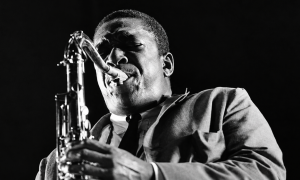
The tenor saxophonist/leader of the group, Larry Lenihan, fancied himself a modern day Dexter Gordon, blowing with a big robust tone over the understated accompaniment supplied by bassist Everett "Three Fingers" Peck and drummer Billy "Blockhead" Baldwin. Solid stuff, if not quite Dexter Gordon-ian, but the sound ticked up a couple of notches when the piano entered, to the surprise of everyone in the room, except for Larry, in his mellowed out, anything goes state of mind, having downed a couple drinks and a three "funny" gummy bears before the show. After the first verse, Larry took his horn out of his mouth so the pianist, the ghost of Juanita Diaz-Johnson, could go into a solo.
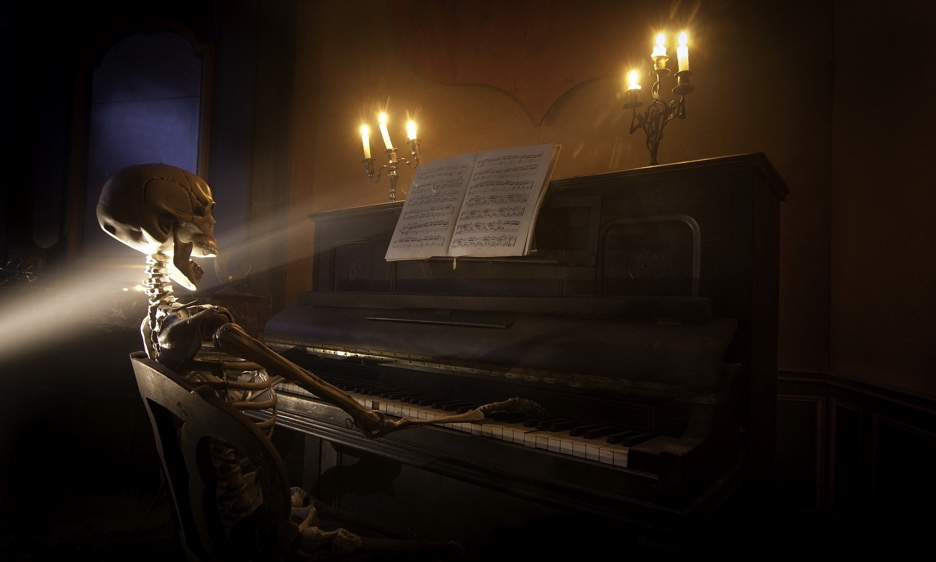
Only two people in the room could see Juanita: Larry, riding on a different level of clarity in his chemically-enhanced condition, and Rafaela, due to a sensitivity born of her genetic connection. The diaphanous pianist appeared to the receptive pair as a strikingly lovely, forty-ish masterpiece of voluptuous femininity, having reverted—as do we all when we enter the spirit world—to the time when her life force had hit the height of its powers. Everyone else in the room saw her as a skeleton, "A holographic projection," according to a fatuous mid-audience computer geek—a speculation that drew knowing nods from his fellow listeners.
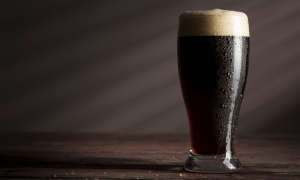
At the sound of the piano, Rafaela stopped mid-step in her delivery of a black Irish stout to table four. Her free hand rose and her fingertips touched her lips. Recognizing her mother's succinct, Jutta Hipp-like touch, she turned to the stage and said softly, "Oh," as a big glycerin tear seeped from her eye to roll her cheek. Here she was, Mom playing one of her father's—Rafalela's grandfather's—favorite tunes, one that both women had heard a thousand times via the 1932 Bing Crosby 78 rpm recording that Fausto Diaz had carried across the border on his first entry into the States, a song that his daughter Juanita was now playing, from her memories of a record now in the possession of Rafaela—though Rafe currently lacked a turntable on which to play it.
And when Juanita closed her solo, Rafaela, Irish stout in hand, began to sing the song, the lyrics channeled to her from heaven:
I need your love so bady, I love you oh so madly
But I don't stand a ghost of a chance with you.
I thought at last I'd found you, but other loves surround you.
And I don't stand a ghost of a chance with you.
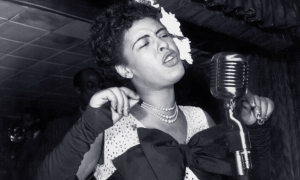
Rafaela didn't deliver a smooth Bing Crosby-ian croon. Her take was closer to Billie Holiday's fragile, imperfect, put-on-brave-face rendition, her heartache on her sleeve, like she'd lived the story a dozen times.
As Larry Lenihan's sax re-entered, the audience gave Raphaela a respectful round of applause. She nodded acknowledgement, wiped her eyes and delivered the Irish stout. As she set the glass down, the stout man reached out and took her wrist in a gentle grip and brought her hand to his lips and kissed it. "Beautiful," he said.
Rafaela blushed, brushed an errant strand of dark hair back behind her ear, then turned to table five to see if anyone there needed a fresh drink, as Roy Leahy, behind the bar, took in the scene with feelings beyond brotherly, wondering if the band knew "I Guess I'll Hang My Tears out To Dry."
 FOLLOW Dan McClenaghan
and get notified whenever a new article published.
FOLLOW Dan McClenaghan
and get notified whenever a new article published.
A lover of sounds, and the way they fit together.
Tags
PREVIOUS / NEXT


Become a Sustaining Member

Since 1995, All About Jazz has championed jazz as an art form and supported the musicians who create it. Over three decades, it has grown into one of the world's leading jazz resources, serving hundreds of thousands of readers, musicians, presenters and industry professionals each month.
Help Build the Future of All About Jazz
Your support helps us continue building All About Jazz for the next generation—expanding our editorial coverage, preserving jazz history, developing new community features and creating better ways to discover the music and the people behind it.
Become a sustaining member for as little as $20 per year and you'll immediately enjoy an ad-free experience along with access to subscriber features and future articles for a full year.
Together, we're not simply sustaining All About Jazz—we're building its future. Thank you for being part of the journey.