Home » Jazz Pictures » Image
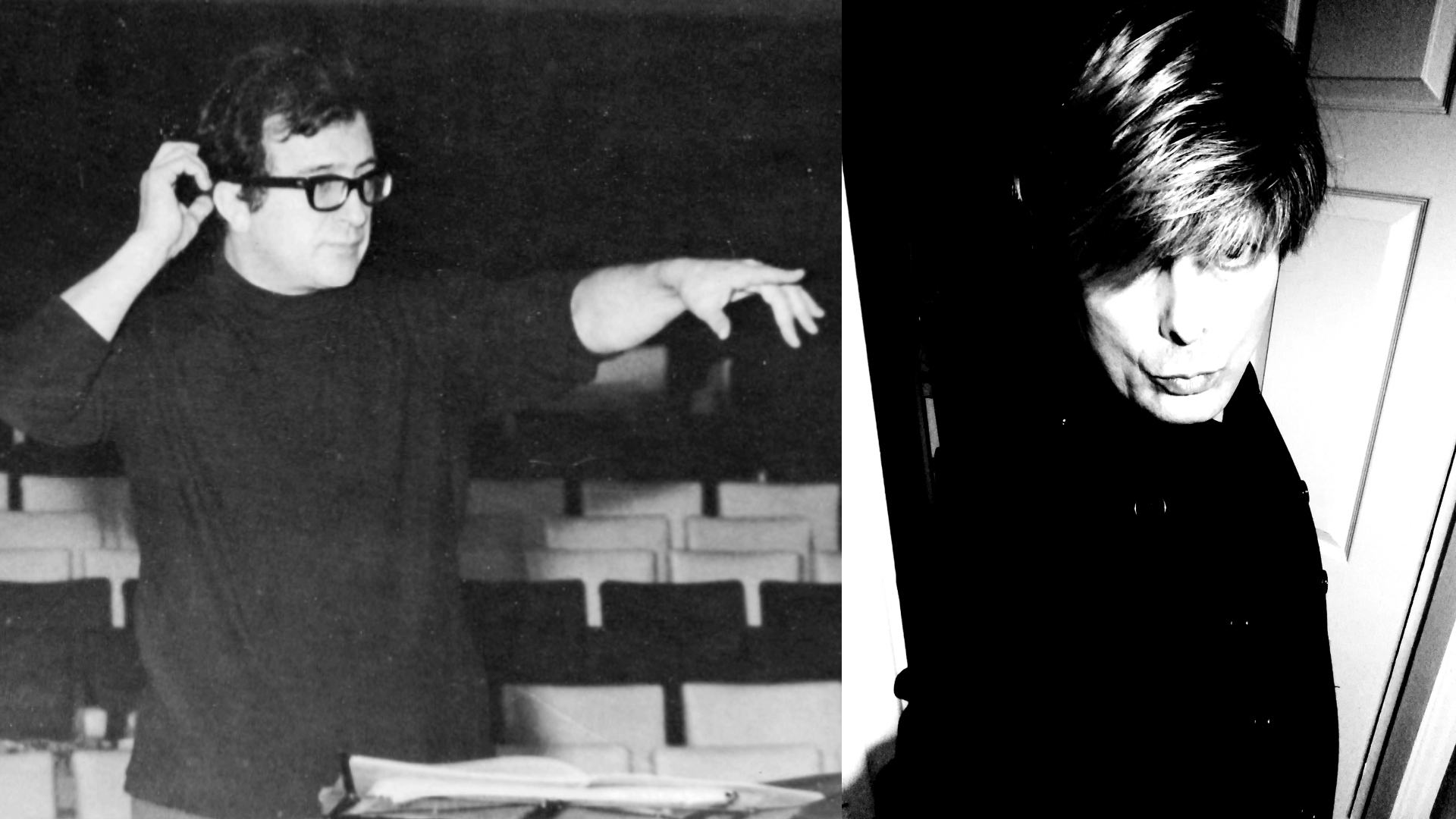
Mark O'Leary Nuova Musica Elettronica Carrothers review

©
Mark O'Leary. All Rights Reserved.
If you are the rightful owner of this image and are not credited, contact us.
All About Jazz / Vision X Software is a DMCA designated agent.
About this image
Review: Mark O'Leary – Nuova Musica Elettronica (TIBProd. Italy, 2017) By Reuben Carrothers There is something profoundly archival about Mark O'Leary’s Nuova Musica Elettronica, as though the album were not merely composed but unearthed—pulled from the damp vaults of a long-shuttered RAI studio in Rome or Milan, dusted off, and set spinning once more. Released in the autumn of 2017 on Daniele Santini’s TIBProd. Italy, this hour-long suite of seven untitled movements pays explicit tribute to the golden age of Italian experimental electronics: the tape-spliced vocal manipulations of Luciano Berio, the austere structural rigor of Franco Evangelisti, the sonic laboratories of the Studio di Fonologia Musicale. Yet O'Leary, an Irish composer and guitarist with a restless history across jazz, improvisation, and ambient fields, does not merely imitate; he re-inhabits. The work is stark in its materials: piano, voice, electronics, and the faint patina of analogue decay. Recorded at Neu Hub Studio in San Benedetto Del Tronto, the pieces unfold without fanfare—I through VII, each a discrete chapter in a larger, wordless meditation. What strikes first is the restraint. O'Leary deploys iridescent piano figures—clean, almost neoclassical in their articulation—against a backdrop of shimmering synth washes, processed vocal fragments, and occasional bursts of transistor static that recall the era’s radio experiments. These are not dense collages but lucid pastiches: deliberate, almost pedagogical homages that allow each influence to breathe. In movement III, for instance, the voice emerges as a ghostly interlocutor—manipulated until it hovers between speech and pure timbre—while minimalist motifs cycle beneath, interrupted by capricious electronic gestures that feel both impulsive and inevitable. Track V offers a moment of exquisite economy: barely four minutes of sparse piano tones drifting through a veil of treated hiss, a brief respite that heightens the album’s hypnotic pull. By the time VII arrives, the various threads—nostalgic Italian pop fragments, eldritch vocal-electronic entwinements, crystalline piano elegance—have woven into a single, transfixing resolution. It is music that demands the room to itself; background listening would be a betrayal. O'Leary’s strength lies in his refusal to obscure. Where lesser tributes might bury the source material under layers of obfuscation, he presents it plainly, transforming reverence into revelation. The result is an experimental ambient narrative that feels at once retrospective and prophetic: a bridge between the post-war avant-garde and contemporary practitioners who favor texture over tempo. For those attuned to Berio’s Sequenza III or the early electronic works of Henri Pousseur, or even the more introspective edges of current figures like Fennesz and Alva Noto, Nuova Musica Elettronica will resonate deeply. It is not flashy, nor is it easy; it is thoughtful, uncompromising, and quietly profound—a reminder that true innovation often begins with deep listening to the past. Rating: ★★★★½ (out of 5) A poised and evocative reclamation of a vital tradition, rendered with clarity and quiet authority. Recommended without reservation for connoisseurs of sonic memory and renewal.
Uploaded: 2026-01-28
Size: 1,600 x 900 pixels