Home » Jazz Musicians » The Andrew Sisters
The Andrew Sisters
The Andrews Sisters were one of the most successful and influential vocal groups of the swing era, celebrated for their tightly synchronized harmonies, rhythmic precision and exuberant performances. Consisting of sisters LaVerne, Maxene and Patty Andrews, the trio helped define the sound of American popular music during the 1930s and 1940s, bringing elements of jazz, swing and boogie-woogie into the mainstream.
Born in Minnesota and raised in Minneapolis, the sisters began performing professionally while still young, developing a close-harmony style influenced in part by the Boswell Sisters. Their breakthrough came in 1937 with "Bei Mir Bist Du Schön," which became an international hit and established their distinctive combination of rapid-fire phrasing, bright harmonies and infectious rhythmic drive.
Over the following two decades, the Andrews Sisters became prolific recording artists, placing scores of songs on the charts and selling tens of millions of records. Among their best-known recordings are "Boogie Woogie Bugle Boy," "Rum and Coca-Cola," "Don't Sit Under the Apple Tree (With Anyone Else but Me)," "Shoo-Shoo Baby" and "I'll Be with You in Apple Blossom Time." Their repertoire moved easily between swing, novelty songs, ballads, traditional pop and music drawing on Latin and other international influences.
The trio frequently worked with leading musicians and entertainers of the period, including Bing Crosby, with whom they recorded a highly successful series of songs for Decca Records. Their recordings were supported by some of the era's finest studio musicians and orchestras, and their rhythmic approach reflected the influence of the big-band sound surrounding them. Although primarily identified with popular music, their sophisticated vocal arrangements, syncopated phrasing and ability to swing placed them firmly within the broader musical culture of the jazz age.
During World War II, the Andrews Sisters became closely associated with American servicemen and women, performing extensively for troops and recording songs that captured both the optimism and homesickness of the period. "Boogie Woogie Bugle Boy," introduced in the 1941 Abbott and Costello film Buck Privates, became one of their signature performances and remains an enduring musical emblem of the era.
The sisters also appeared in numerous films and maintained a demanding schedule of recordings, radio broadcasts and live performances. Personal and professional tensions periodically interrupted the group, particularly during the 1950s, but various reunions followed. LaVerne Andrews died in 1967, effectively ending the original trio. Maxene and Patty later pursued individual projects, and the group's music continued to find new audiences through recordings, film, television and subsequent generations of close-harmony vocal groups.
Read moreTags
Sugartime Trio
band / ensemble / orchestraVideos
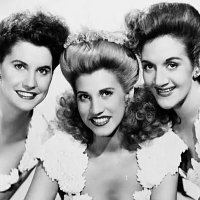
The Andrew Sisters
Location: Minneapolis
Instrument: Band / ensemble / orchestra