Home » Jazz Musicians » John Coltrane
John Coltrane
John William Coltrane was born on September 23, 1926 in Hamlet, North Carolina. At the age of three his family moved to High Point, NC, where young Coltrane spent his early years. His father, John Robert Coltrane, died in 1939, leaving twelve year-old John and his mother on their own.
His mother, Alice Blair Coltrane, moved to New Jersey to work as a domestic while John completed high school. John played first the clarinet, then alto saxophone in his high school band. His first musical influence was the tenor saxophonist Lester Young of Count Basie's band. In June of 1943, after graduation, Coltrane moved to Philadelphia to be closer to his mother.
After a yearlong stint in the Navy (1945-46), Coltrane began playing gigs in and around Philadelphia. During this time he became involved in drug and alcohol use, vices that would follow him throughout his career and ultimately lead to his death.
In late 1949 Coltrane was invited to play alto sax with Dizzy Gillespie's band; the first recording session was on November 21 of that year. When the big band broke up in May of 1950 Coltrane moved to the tenor saxophone and played with Gillespie's small band until May of the next year. Coltrane played with Earl Bostic's group in 1952, switching to the band of his early idol Johnny Hodges in 1953.
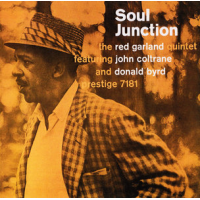
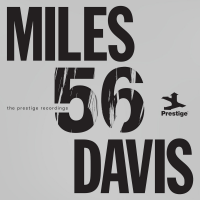
Problems with drug and alcohol abuse, however, forced Coltrane out of the group in 1954. Miles Davis called upon Coltrane in the summer of 1955 to join a group he was forming. The Miles Davis quintet's first recording was made in October of 1955, the same month in which Coltrane was married to Naima Grubbs. The quintet was comprised of Davis on trumpet, Coltrane on tenor sax, Red Garland on piano, Paul Chambers on bass, and Philly Joe Jones on the drums. It was in his years with this quintet that Coltrane's abilities were truly recognized and appreciated.
In April 1957, though, Coltrane was again forced to take a break from playing to deal with his substance abuse problems; Davis replaced him with Sonny Rollins. He played briefly with Thelonious Monk in late 1957 before rejoining the Miles Davis quintet in January 1958. Coltrane played with this group until April 1960, when he set out to form his own group.
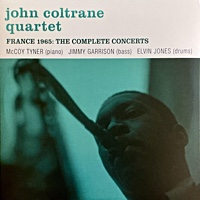
The John Coltrane quartet first formed in April of 1960 with Coltrane playing tenor saxophone, McCoy Tyler on piano, Elvin Jones on drums, and Jimmy Harrison on bass. It was during the first years of this group that Coltrane graduated from an above-average tenor saxophonist to an elite bandleader, composer, and improvisor. "My Favorite Things", the epic album featuring "Every Time We Say Goodbye", "Summertime", "But Not For Me", and the title track, was recorded in 1960. This was undoubtedly Coltrane's most successful and popular album, and granted him the commercial success that had eluded him thus far in his career.
Read moreTags
Thelonious Monk, John Coltrane, Barry Harris, Don Patterson, Sonny Stitt And Others

by Lawrence Peryer
The beating heart of this week's episode emanates from one man's camera expressed through three records:, Thelonious Monk and John Coltrane's 1957 residency, Barry Harris' 1975 Xanadu debut, and a rediscovered Sonny Stitt & Don Patterson date, all appear in a new book of Don Schlitten's jazz photography, the producer and photographer who died earlier this year after decades behind the board and behind the lens. Around that center, the hour goes wide: Welsh harp meeting up with Senegalese kora, ...
Continue ReadingThe John Coltrane Centennial, Part 4: Late Recordings Including A Love Supreme
by Larry Slater
In this final hour of a centennial tribute to John Coltrane, we turn to his late recordings. Coltrane died at age 40, and in his last few years he expanded his musical output to.include gorgeous melodies, spiritual masterpieces and music that was free of any musical convention. Crescent highlights Coltrane at his most lyrical. Coltrane's magnum opus is, without question, A Love Supreme, which was recorded in a single session in late 1964. Both Directions at Once was ...
Continue ReadingJohn Coltrane in Detroit: A Brief History
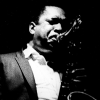
by Paul Rauch
When the calendar turned to 2026, a spirit of celebration was sparked in the jazz community. It marked one hundred years from the birth dates of two jazz titans in John Coltrane and Miles Davis. Coltrane departed us in 1967 from cancer, a life of barely more than forty years that changed the course of jazz. He had forged his approach to playing as a member of Davis' groundbreaking, mid-1950s sextet. Davis, after a brief hiatus in the mid 1970s, ...
Continue ReadingThe John Coltrane Centennial, Part 3: Coltrane emerges as a leader
by Larry Slater
By 1960 John Coltrane had emerged as a singular voice on the saxophone.Though he recorded several dates as a leader in the '50s, it wasn't until he left Miles Davis that he began recording with his own groups. His first recording for Atlantic Records, released in 1960, was Giant Steps, featuring several compositions that were soon to become jazz standards. Sublime recordings with the vocalist Johnny Hartman and maestro Duke Ellington followed. Coltrane embraced the rarely heard soprano ...
Continue ReadingThe John Coltrane Centennial, part 2: 1950s era recordings as a leader
by Larry Slater
John Coltrane was a member of Miles Davis' quintet from 1955-1957, and then again later in the decade after he kicked his heroin habit. His tenure with Miles led to his first opportunities to record as a leader for Prestige Records and Blue Note, including “Blue Trane" and his Prestige releases “Coltrane" and “Settin' the Pace." “Blue Trane" was the first recording to include all original Coltrane compositions, and one of his most successful recordings.You'll hear commentary on ...
Continue ReadingThe John Coltrane Centennial, part 1: Coltrane's early years with Miles and Monk
by Larry Slater
John Coltrane is, without a doubt, one of the most revered and influential musicians of the modern jazz era. A controversial musician during his lifetime, his legacy continued to grow after his death in 1967 at age 40. His outsized impact on the world of jazz is all the more remarkable considering his career as a featured artist lasted only 12 years, beginning with his tenure in Miles Davis' quintet and Thelonious Monk's quartet.In this hour, you'll hear ...
Continue ReadingTyler Soifer: The Art of Audio
by Kitty Kalriess
On April 8, 2026, musicians Joe Lovano, Melissa Aldana, Nduduzo Makhathini, Linda May Han Oh and Jeff Tain Watts treated an audience to their collaborative reflection of John Coltrane in celebration of what would be the the centennial of the birth of the iconic saxophonist. The McCarter center on the campus of Princeton University hosted Coltrane 100, and the touring group performed to an almost sold-out house. After long contemplation of the masterful performance, a thought lingered; the ...
Continue ReadingPerfection: John Coltrane's "You Say You Care"
Source:
JazzWax by Marc Myers
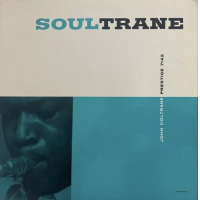
Continuing my new series called Perfection, today's sublime track is John Coltrane's cover of Jule Styne's composition You Say You Care, which Styne wrote for Broadway's Gentlemen Prefer Blondes (1949). The song is from Coltrane's Soultrane album, which features John Coltrane (ts), Red Garland (p), Paul Chambers (b) and Art Taylor (d). Recorded in February 1958 for Prestige, Soultrane is also known for Ira Gitler's liner notes, in which he coined “sheets of sound" to describe Coltrane's late 1950s approach ...
read more
World-renowned Smoke Jazz Club Ends The Year With The 11th Annual Coltrane Festival Countdown 2024, New Year’s Eve Celebration With Carla Cook, And More
Source:
AMT Public Relations
Rated the #1 Jazz Club in New York City (Secret NYC), SMOKE Jazz Club ends 2023 with an exciting line-up in December. The month begins with a rare solo piano doubleheader by Brad Mehldau (Dec 1-2) preceded by his Trio (Nov 29-30). For 11 nights, SMOKE presents its 11th annual Coltrane Festival: “Countdown 2024.” Some of today’s top musicians join forces to celebrate the life and musical legacy of the great saxophonist and composer John Coltrane. Tenor giant George Coleman ...
read more
Jazz Musician of the Day: John Coltrane
Source:
Michael Ricci
All About Jazz is celebrating John Coltrane's birthday today!
John William Coltrane was born on September 23, 1926 in Hamlet, North Carolina. At the age of three his family moved to High Point, NC, where young Coltrane spent his early years. His father, John Robert Coltrane, died in 1939, leaving twelve year-old John and his mother on their own. His mother, Alice Blair Coltrane, moved to New Jersey to work as a domestic while John completed high school. John played ...
read more
Evenings At The Village Gate: John Coltrane With Eric Dolphy - Never-Before-Heard Recording Of Two Of The Most Iconic Forces In Jazz - Set To Debut July 14

Source:
Michael Ricci
In the summer of 1961, John Coltrane headlined at the celebrated music venue, the Village Gate. With a lineup of musicians that included McCoy Tyner, Reggie Workman, Elvin Jones, and the fiery playing of Eric Dolphy, Evenings at the Village Gate captures the creative and transformative spirit that sprang from the pairing of Coltrane and Dolphy, and the evolving short-lived quintet. Evenings At The Village Gate: John Coltrane With Eric Dolphy will be released globally July 14 on Impulse! Records/UMe. ...
read more
World-Renowned Smoke Jazz Club Ends The Year With The Annual Coltrane Festival 'Countdown 2023,' And More
Source:
AMT Public Relations
Holiday Shows: Allan Harris (Dec 7-8) Orrin Evans All-Star Quintet (Dec 9-11) Goldings/Bernstein/Stewart Trio (Dec 15-18) Coltrane Festival: George Coleman, Eric Alexander, Melissa Aldana, Eric Reed, Vincent Herring, Billy Harper, Billy Hart, and More (Dec 20-Jan 8) and more... One of New York City's premier live music venues, Smoke Jazz Club, presents a stellar line-up of some of music's greatest artists during the month of December. For 16 nights, SMOKE presents its 10th Annual Coltrane Festival, “Countdown 2023," ...
read more
Jazz Musician of the Day: John Coltrane
Source:
Michael Ricci
All About Jazz is celebrating John Coltrane's birthday today!
John William Coltrane was born on September 23, 1926 in Hamlet, North Carolina. At the age of three his family moved to High Point, NC, where young Coltrane spent his early years. His father, John Robert Coltrane, died in 1939, leaving twelve year-old John and his mother on their own. His mother, Alice Blair Coltrane, moved to New Jersey to work as a domestic while John completed high school. John played ...
read more
Jazz Musician of the Day: John Coltrane
Source:
Michael Ricci
All About Jazz is celebrating John Coltrane's birthday today!
John William Coltrane was born on September 23, 1926 in Hamlet, North Carolina. At the age of three his family moved to High Point, NC, where young Coltrane spent his early years. His father, John Robert Coltrane, died in 1939, leaving twelve year-old John and his mother on their own. His mother, Alice Blair Coltrane, moved to New Jersey to work as a domestic while John completed high school. John played ...
read more
Jazz Musician of the Day: John Coltrane
Source:
Michael Ricci
All About Jazz is celebrating John Coltrane's birthday today!
John William Coltrane was born on September 23, 1926 in Hamlet, North Carolina. At the age of three his family moved to High Point, NC, where young Coltrane spent his early years. His father, John Robert Coltrane, died in 1939, leaving twelve year-old John and his mother on their own. His mother, Alice Blair Coltrane, moved to New Jersey to work as a domestic while John completed high school. John played ...
read more
Jazz Musician of the Day: John Coltrane
Source:
Michael Ricci
All About Jazz is celebrating John Coltrane's birthday today!
John William Coltrane was born on September 23, 1926 in Hamlet, North Carolina. At the age of three his family moved to High Point, NC, where young Coltrane spent his early years. His father, John Robert Coltrane, died in 1939, leaving twelve year-old John and his mother on their own. His mother, Alice Blair Coltrane, moved to New Jersey to work as a domestic while John completed high school. John played ...
read more
Pittsburgh's Con Alma To Host Coltrane And Monk Birthday Celebrations

Source:
Mackenzie Horne
Con Alma is excited to announce upcoming celebrations in acknowledgment of John Coltrane and Thelonious Monk’s birthdays. An observance of saxophonist John Coltrane’s birth will take place from September 18-September 23. During this special period, Con Alma’s house band, which showcases some of the finest talent in the Pittsburgh area, will perform selections from Coltrane’s prolific discography. In October, the Con Alma house band returns to celebrate the birth of pianist Thelonious Monk. Festivities will kick off on October 11. ...
read more

Charlie Parker
saxophone, alto
Hasaan Ibn Ali
piano
Brian Swartz
trumpet
Changamire
vocals
Dennis Mitcheltree
saxophone, tenor
Dom Minasi
guitar
Gene Ess
guitar
Jim Gailloreto
saxophone
Marc Smason
trombone
Mark Kramer
piano
Michael Jefry Stevens
piano
Reuel Lubag
piano
Tommaso Cappellato
drums
Eric Golub
violin
Jake Hanlon
guitar
Harrison Goldberg
saxophone
Evan Tate
saxophone, alto
Gwen Sampé
vocals
Vicki Burns
vocals
Gabriele D'Angela
guitar, electric
Roberto Magris
piano
Vinny Valentino
guitar
Max Perkoff
trombone
Michael Adkins
saxophone
Bill Gati
saxophone
Ben Makinen
drums
Russ Nolan
saxophone, tenor
Keith Pray
saxophone
Chris Abelen
trombone
Jeff Gauthier
violin
Denny Zeitlin
piano
Lynda Murray
saxophone, alto
Dave Wilson
saxophone
Ada Rovatti
saxophone, tenor
Greg Diamond
guitar, electric
Albert Rivera
saxophone
Tommy Smith
saxophone, tenor
Omar Sosa
piano
Monnette Sudler
guitar
Jorge Sylvester
saxophone, alto
Peter Bernstein
guitar
Michael Brecker
saxophone, tenor
Mike Clark
drums
Larry Davis
bass
Joey DeFrancesco
organ, Hammond B3
Orhan Demir
guitar
Daryll Dobson
guitar, electric
Ian Dogole
percussion
Christy Doran
guitar
Dominic Duval
bass
David Friesen
bass
Eric Gale
guitar, acoustic
Kenny Garrett
saxophone
Bruce Gertz
bass, acoustic
John Gunther
saxophone, tenor
Tim Hagans
trumpet
Greg Hatza
organ, Hammond B3
Phillip Haynes
drums
Saskia Laroo
trumpet
Michael Mason
flute
Jackie McLean
saxophone, alto
Joe McPhee
woodwinds
Pat Metheny
guitar
Tete Montoliu
piano
Sam Newsome
saxophone, soprano
Judy Niemack
vocals
Suzanne Pittson
vocals
Jean-Luc Ponty
violin
Paul Vornhagen
saxophone
Grover Washington, Jr.
saxophone
Larry Williams
multi-instrumentalist
Steve Williamson
saxophone
Francis Wong
saxophone, tenor
Sam Allen
drums
Julian Arguelles
saxophone
Matt Savage
piano
Fostina Dixon-Kilgoe
saxophone
Tedd Baker
saxophone, tenor
Patrick Cornelius
saxophone, alto
Lisa B aka Lisa Bernstein
vocals
Walter Clark
piano
Jim Head
guitar
Dennis Winge
guitar
Jeff Lofton
keyboards
Rick McLaughlin
bass, acoustic
Lee Barbour
guitar
Greg Chako
guitar
Pete McCann
guitar
Lili Añel
vocals
Jason Rigby
saxophone
Michael Pedicin
saxophone, tenor
Scott Detweiler
vocals
Michael Stephans
drums
Ike Levin
saxophone, tenor
Bonnie Kane
multi-instrumentalist
Dale Fielder
saxophone, baritone
Rex Richardson
trumpet
royal hartigan
drums
Dafna Naphtali
vocals
Ferenc Nemeth
drums
David Witham
keyboards
Jostein Gulbrandsen
guitar
Hasan Abdur-Razzaq
saxophone, alto
Glenn White
saxophone
Charles Gambetta
bass
David Leikam
multi-instrumentalist
Ian Willson
saxophone
Simon Cato Spang-Hanssen
saxophone
Jamie Oehlers
saxophone, tenor
Dave Mullen
saxophone, tenor
Ben Britton
saxophone
Guido Santoni
piano
Felipe Alonso
guitar, electric
Fred Haas
saxophone
Sharel Cassity
saxophone
Henry Johnson Jazz
guitar and vocals
Sarah Jerrom
vocals
Ivan Valentini
saxophone
Phil Hargreaves
saxophone, tenor
John Nyerges
piano
John Kocur
saxophone, alto
Christoph Irniger
saxophone, tenor
Brad Felt
euphonium
Blaise Siwula
saxophone
Jim Butler
saxophone
Patrick Manzecchi
drums
Cold Spring Jazz Quartet
band / ensemble / orchestra
Tomoko Omura
violin
Tahina Rahary
guitar
Paul Cutlan
woodwinds
Shirley Crabbe
vocals
Curtis Andrews
drums
Suresh Singaratnam
trumpet
Phil Scarff
saxophone, tenor
Pernille Bevort
saxophone, tenor
Albano the Madman
saxophone
Andy Wasserman
piano
Alon Farber
saxophone
Shabaka Hutchings
woodwinds
Ricardo Pinheiro
guitar, electric
Rubim de Toledo
bassJohn Myers
guitar
Massimo de Majo
drums
Scott Reeves
trombone
Steve Griggs
saxophone
Robert Chandler
guitar
Bobby Falk
drums
Max Johnson
bass
Maarten Regtien
piano
James Weidman
piano
Premik Russell Tubbs
saxophoneChris Tedesco
trumpet
Michel Delville
guitar, electric
Tim Sparks
guitar
Jack DeSalvo
guitar
Justin Perdue
guitar
Anna Elizabeth Kendrick
vocals
Gregory Dudzienski
saxophone, tenor
Scott D Marshall
saxophone
Reto Anneler
saxophone
Kenny Brooks
saxophone
Dennis Skerrett
saxophone
Dann Zinn
woodwinds
Marko Marcinko
drums
Gui Duvignau
bass, acoustic
Klaus Gesing
saxophone, soprano
Chris Kelsey
saxophone, soprano
Orjan Hulten
saxophone
Ron Davis
vocals
Hakan Brostrom
saxophone
Stich Wynston
drums
Hilary Noble
saxophone, tenor
David Borgo
saxophone
Diane Delin
violin
Olivier Collette
piano
David Laborier
guitar
Michael Robinson
piano
Jim Josselyn
guitar
Karlton E Hester
flute
Santana
band / ensemble / orchestra
Richard Howell
saxophone
Steve Treseler
saxophone, tenor
Michael Staron
bass, acoustic
Steve Homan
guitar
Krystof Medyna
saxophone
Gianmarco Scaglia
bass
Matt Clark
guitar
Dimitris Tsakas
saxophone, alto
Tim Wolfe, Jr.
bass
Jodi Michelle Proznick
bass, acoustic
Ryan Berg
bass, acoustic
Pete Sklaroff
guitar, electric
Petter Wettre
saxophone, tenor
Louie Belogenis
saxophone
Matt Panayides
guitar
John Bacon
drums
Mark Hanslip
saxophone
Iman Spaargaren
saxophone, tenor
Dmitry Tsepilov
saxophone, alto
Leo LaBarge
drums
Jussi Reijonen
guitar
Perry Thoorsell
bass, acoustic
Don Mopsick
bass, acoustic
Frido ter Beek
saxophone
Mateusz Smoczyński
violin
Wataru Uchida
saxophone, tenor
Carl Bartlett, Jr.
saxophone
Bob Crawford
guitar
Sylvain Leroux
flute
Emmet Cohen
piano
Johnny Padilla
saxophone
F. ter Beek
saxophone
Larry Tamanini
guitar
Yuichiro Tokuda
saxophone, alto
Beppe Aliprandi
saxophone, alto
Tito Mangialajo Rantzer
bass, acoustic
Giampiero Spina
guitar
Jack Furlong
saxophone, baritone
John Pietaro
percussion
Derek Bomback
guitar
Emanuel Harrold
drumsDuncan Fraser
trumpet
Saul Zebulon Rubin
guitar
Scott Emmerman
guitar
Jimmy Hobson
drums
Dr. Martin E. Rosenberg
guitar
Don Hanson
saxophone
Hugo Fernandez
guitar
Daniel Casares
saxophone, tenor
Steve Lambert
trumpet
Bennett Friedman
saxophone
Carl Clements
saxophone
Matt Olson
saxophone, tenor
Tom Lippincott
guitar
Jonathan Saraga
trumpet
Phil Ravita
bass
Dorian May
piano
Delton Walker
saxophone
Elliot Spero
saxophone, tenor
Güç Başar Gülle
guitar
Myles Brown
guitar
Tyrone Birkett
saxophone, alto
Bobby Stern
saxophone, tenor
Maja Jaku
vocals
Geoff Mason
trombone

Ognjen Savija
guitar
Pasquale Stafano
piano
Heitsi-Eibib Ogun
piano
Ricardo Grilli
guitar
Jesse Levit
saxophone
Mike Freedman
guitar
Yiannis Kassetas
saxophone, tenor.jpg)
Luiz Santos
drums
Vince Scuderi
saxophone, tenor
John Purcell
saxophone, alto
Dimitris Angelakis
vibraphone
Kevin Golden
guitar
Cynthia Rafaella
vocals
Branko Arnsek
bass, acoustic
Emir Santa Cruz Hernández
clarinet
Jorge Garcia
guitar, electric
Kitty B Green
saxophone, alto
Dave Quick
synthesizer
Kevin Sun
saxophone, tenor
Noshir Mody
guitar
The Ed Palermo Big Band
band / ensemble / orchestra
Nathan Ott
drums
Jakob Dreyer
bass
Daryl Gott
saxophone, alto
Phil Wilkinson
organ, Hammond B3
Simon Read
bass, acoustic
Eran Har Even
guitar
Andrea Garibaldi
piano
Michael Joseph Harris
guitar
Andrew DeNicola
saxophone, tenor
Aengus Hackett
guitar
Marco Moura
guitar
Derel Monteith
piano
George Heid III
drums
Stefanos Tsourelis
guitar
Aldo Salvent
saxophone, tenor
Roy Futaba
saxophone, tenor
Jim Faulkner
guitar
Benjamin Deschamps
saxophone, alto
Pavel Wlosok
piano
Chris Pitts
saxophone, tenor
Laurie Dapice
vocals
Jesse Dietschi
bass, acoustic
Julian Nicholas
saxophone, tenor
Earle Eidenire
saxophone, tenor
PC ENERGETIC
band / ensemble / orchestra
Sorin Zlat
piano
Julian Hartwell
keyboards
Emmanuel Cremer
cello
Benjamin Boone
saxophone
Charleston Jazz Orchestra
band / ensemble / orchestra
Ant Law
guitar, electric
Matt Ratcliffe
piano

Hubert Colau
drums
Neil Brathwaite
saxophone, tenor
Katy Jungmann
saxophone
Waxwing
band / ensemble / orchestra
Shane Dahler
drums
Louie Moon
guitar
Caleb Dillon-Murray
saxophone
Sue Lynch
saxophone, tenor
Mario Duenas
guitar
Orlando Molina
guitar
Prawit Siriwat
guitar
Matthew Muñeses
saxophone
Alex Moxon
guitar, electric
Borys Janczarski
saxophone
Jon Bentley
saxophone, tenor
Stefan Karl Schmid
saxophone
Inbar Paz
bass, acoustic
Vasil Hadzimanov
piano
Avishai Darash
piano
Ultrafaux
band / ensemble / orchestra
Jason Kush
saxophone
Filippo Bianchini
saxophone, tenor
Mike Gebhart
drums
Andy Bianco
guitar
Joey "G-Clef" Cavaseno
saxophone, alto
Space Whale Orchestra
band / ensemble / orchestra
Robert Dunn
guitar, acoustic
Angelo Mastronardi
piano
Jason Quick
guitar
Steven Faivus
saxophone, alto
Mitch Perrins
drums
Organic Noises
band / ensemble / orchestra
Matthew Shell
guitar
Dan Waldman
guitar
Marc Beaudin, poet
poet / spoken word
Andrew Dixon
saxophone
Phil Dawson
guitar, electric
Art Edmaiston
saxophone, tenor
Jeff Lopez
bass, electric
Tim Bruer
piano

Yayo Morales
drumsBill Stieger
drums
Rivkah Ross
drums
Philippe Vieux
saxophone, alto
Fred Tompkins
flute
Cene Resnik
saxophone
Carl Cornwell
saxophone
Johannes Gammelgaard Lauritsen
saxophone, tenor
Massimo Ciolli
guitar
Omer Ashano
violin
Levin Brothers Band
band / ensemble / orchestra
Oleksandr Kolosii
saxophone, tenor
Devin Daniels
saxophone, alto
Bobby Rozario
guitar
Gregg Fine
guitar
Mark Haskins
guitar
Jason Vitelli
various
Lucia Fodde
vocals
Rex Shepherd
guitar, electric
Mike De Masi
bass, acoustic
Michael Neff
trumpet
Teis Semey
guitar
Jay Reed
guitar
Matt Malanowski
piano
Viktor Haraszti
saxophone
Gioele Pagliaccia
drums
Michael Hudson-Casanova
saxophone
David Post
vocals
Sarah Hanahan
saxophone, alto
marcelo von schultz
drums
BrandonLee Cierley
saxophone
Seba Molnar
saxophone, tenor
Mervin Toussaint
saxophone, alto
Matthew Ottignon
saxophone, tenor
Shay Hazan
bass
Felix Tani
piano
Eugene Shapiro
guitar
Adam Claussen
saxophone
Tumi Árnason
saxophone
Cezary Ostrowski
piano
Lucas Martinez
saxophone
Vin Venezia
guitar
Boaz Marva
guitar
Gregory Harrington
violin
José Canha
bass, acoustic
Cody Steinmann
guitar
Richard Pavlidis
saxophone, tenor
Ian Michael Brown
piano
Richie Love
saxophone
Pureum Jin
saxophone, alto
Barry Deister
saxophone, tenor
TuneTown
band / ensemble / orchestra
Konstantin Ivchuk
guitar
Pagliuca-Mena
band / ensemble / orchestra
Sergio Fulqueris
guitar
Christophe Gervot
piano
Faris Ishaq
flute
Yuto Mitomi
saxophone, tenor
Juan D Arango
guitar
Rea Meir
woodwinds
Matthias Van den Brande
saxophone, tenor
Heshima Moja
bass, electric
Slip Mahoney
drums
Bear Garden
saxophone, tenor
Jol Tai
saxophone
Elinor Speirs
violin
Bill Hauser
saxophone, tenor
Max Gerl
bass
Muhammad Dawjee
saxophone
Juan Saiz
flute
Hindol Deb
sitar
Itay Goldberg
saxophone, tenor
Adrian Varady
drums
Krissy Bergmark
tablas
Benjamin Shorstein
drums
Simone Brilli
drums
Muffy Styler
vocals
Marco Cremaschini
piano
Adam Nolan
saxophone
Jocelyn Gould
guitar
Illya Gomola
keyboards
Fabrizio Savino
guitar, electric
Onur Aymergen
guitar
The Jazz Bastards
band / ensemble / orchestra
DeWitt Fleming Jr
percussion
Moritz Stahl
saxophone
Christian Klinkenberg
piano
Sunhyun Yoo
saxophone, alto
Max Plattner
drums
Gorm Askjær
guitar
Giuseppe Cucchiara
bass, acoustic
Philippe Coignet
guitar, electric
Szymon Mika
guitar
Stephen Byth
saxophone, tenor
Adele Sebastian
flute
Gabriel Bismut
violin
Pamai Chirdkiatisak
guitar
Robert Vega-Dowda
trumpet
Johan Renard
violin
Luca Lo Bianco
bass
Matthew Alec
saxophone, tenor
Paco Reinaldet
saxophone, soprano
Lyndon Owen
saxophone
Jason Keiser
guitar
The New Acoustic Collective
band / ensemble / orchestra
Charles Colizza
guitar
Anderson Quevedo Farias
saxophone
Guy Mintus Trio
band / ensemble / orchestra
Eugene Dobrovolskyi
vibraphone
David Bode
saxophoneTissa Khosla
saxophone
Antonio Cece
guitar
Ikechi Onyenaka
saxophone, alto
Kurt Leege
guitar
Jesus Fuentes
piano
Matthew Storie
saxophone
CHYKE MARTINS
saxophone
Mikko Karjalainen
trumpet
Pasquale Calò
saxophone, tenor
Jonatan Piña Duluc
saxophone, tenor
Alex Louloudis
drums
Johan Grim
guitar
Jérôme Masco
saxophone
Juan Alzate Nuñez
saxophone
Dave Coules
saxophone
Daniel Tamayo
guitar, electric
Francesco Mascio
guitar
Intergalactic Brasstronauts
multi-instrumentalist
Noam Shapira
saxophone
JustKing Jones
saxophone, alto
Jackson Cotugno
saxophone, tenor
Andrew Sumabat
trombone

Benedikt Jäckle
saxophone
Efrat Alony
vocals
Alony
vocals
Andres Hayes
saxophone, tenor
Strat Andriotis
guitar
Anthony Muthurajah
bass, electric
Claudio Gioannini
drums
Eric Zabala
vibraphone
Alireza Kohany
arranger
Daniel Dyonisius
guitar
Carlos Cippelletti
piano
MoonArra World Fusion
band / ensemble / orchestra
Ari Joshua
guitar
The Modern Beat Combo
band / ensemble / orchestra
ML Caldwell
keyboards
Érick d'Orion
electronics
Oscar Laven
saxophone, tenor
Ariel Kasler
guitar
Christian Overton
trombone
Fred Israel
piano
Erkin Kydykbaev
bass, acoustic
Bishu Chattopadhyay
bass, acoustic
David Bernot
saxophone, tenor
Funk Elastic
band / ensemble / orchestra
Skip Walker
drums
Benjy Sandler
saxophone, alto
George Grydkovets
guitar
David Cain
multi-instrumentalist
Pieces
band / ensemble / orchestra
João Gato
saxophone
Eric Mullins
saxophone, tenor
Andrea Leone
saxophone
Shems Bendali
trumpet
Arthur Donnot
saxophone
Chris Torkewitz
saxophone, tenor
VOODOO DRUMMER
drums
Peter Lin
trombonePieter Egriega
guitar and vocals
Alessandro Di Liberto
piano
Fil Pate
multi-instrumentalist
Richard Davies
saxophone, tenor
John Lyden
bass
Cecilie Grundt
saxophone
Kai Gluska
guitar
Brian Sacco
saxophone
Saku Mantere
vocals
Temidayo Balogun
saxophone, tenor
Helios Fernandez
guitar
Mikkel Villingshoj
drums
Michael Sassi
drums
Rohan Buch
saxophone
Rob Ames
saxophone, soprano
Angelo Della Valle
guitar
Shawn Pfaffman
organ, Hammond B3
Jackson Dunkin
guitar, electric
Aarni Häkkinen
trombone
Larry Davis Vernec
bass
Lucas Amorim
vibraphone
Louis Siciliano
synthesizer
Andrew Robertson
saxophone
Griffin Woodard
clarinet, bass
Titus Maz
guitar
Cleômenes Junior
saxophone
Cecil Alexander
guitar
Alex Coke & Carl Michel Sextet
band / ensemble / orchestra
The Beatnik Preachers
band / ensemble / orchestra
Andrew Ginzel
guitar, electric
The Cordovox Project
drums
Emil And The Detectives
band / ensemble / orchestra

Orian Rose
drumsHila Hutmacher
vocals
Guillermo Marigliano
guitar
Christian Artmann
flute
Zock Organ Trio
band / ensemble / orchestra
Mats Monstad
drums
Ron Bosse
guitar
Shannon Chief Cherry
vocals
Hallgrim Bratberg
guitar, electric
Samvel Gasparyan
piano
Christopher Robin Cox
trombone
Zach Rich
trombone
Sean Imboden
saxophone
Christopher Pitts
piano
Cliff Korman
piano
Joshua Moshe
saxophoneEli Hershiser
saxophone
Dave Salvator
saxophone
Fee Aaij
piano
Claudio Cardito Carditology
saxophone, tenor
Jodi Proznick
bass, acoustic
Michele Brangwen Dance & Music Ensemble
band / ensemble / orchestra
Alex Madeline
saxophone
FOUR
band / ensemble / orchestra
Kerilie McDowall
guitar, electric
Jonathon Clyde Neal
trumpetJ. Garza
guitarVironas Ntolas
guitar
Logan Conkright
saxophone
Orlando Madrid
saxophone, alto
Ben Sutin
violin
Marcel Lüscher
saxophone, tenor
Kasper Rietkerk
saxophone, alto
Eve Minor
multi-instrumentalist
Dom Pusey
saxophone, tenor
Phil Raskin
drums
John Grey
piano
Stefano Pisu
drums
Giacinto Piracci
guitar
Victor Valdebenito
saxophone, tenor
Patrick Golden
drums
Chris Powe
saxophone, alto
Anthony Bruno
saxophone
Christopher Parnis
bass
John Alvey
drums
Ian Smit
guitar
Leon Cotter
saxophone, tenor
Cody McCafferty
saxophone, tenor
Ian Raymond Smit
guitar
Adam Ponting
piano
Anton Sushev
saxophone, alto
Raw Odoni
band / ensemble / orchestra
Christopher Boscole
keyboards
Matt Perronne
trumpet and vocals
Angelo Tatone
guitar
Sedno
band / ensemble / orchestra
Lucious Crawford
saxophone
Mattias Bråhammar
guitar, electric
Laura J Marras
saxophone
Rai Paz
guitar
Zishi Liu
saxophone
Alice D. Addertounge
guitar, electric
Thomas Hutchings
saxophone
The Ostara Project
band / ensemble / orchestra
Enrique Thompson
saxophone, tenor
Reuben Paterson
saxophone, alto
Ester Andújar Rico
vocals
Zohar Amar Mokady
saxophone, tenorDavid Salmon
multi-instrumentalist
Dual Dialect
band / ensemble / orchestra
Shahar Amdor
woodwinds
Joaquín Lombardo
guitar
yeast
guitar, electric
Byron M Thomas
piano
Felipe Arce
bass, acoustic
Jackson Petty
guitar
Nikola Spasojevic
saxophone
Diana Leoport
vocals
Antonio Floris
guitar
Rovanio Rovnny Assis
vocals
Xavier Moore
multi-instrumentalist
JS
trumpet
Ronald Rodriguez Herrera
piano
Imran Ahmed
guitar
wessmithjazz
saxophone
Martí Mitjavila
clarinet
Ilija Nikolic
piano
Adam Chmaj
saxophone, tenor
John Sweenie
saxophone, tenor
Van Dam and the Madman
band / ensemble / orchestra
Ray Seol
bass, acoustic
Chenxi Pan
vocalsJeppe Cornelius Thejsen
guitar, electric
Spherical
various
Joel Stoner
flute
Mike Bruzzese
guitar, electric
Andrés Coll
marimba
Charlie Rees
saxophone, tenor
On The Count of Two
band / ensemble / orchestra
Clemens Köhler
saxophone
Kentaro Saito
guitar
Mike Del Campo
drums
Kyle Green
guitar
Adithya Vaidhyan
saxophone, tenor
Jay Matharu
guitar, electric
Valerio Marino
vocals
Dan Webb
keyboards
Billie Eidson
vocalsPhotos
Music


Videos
Similar

Miles Davis
trumpet
Thelonious Monk
piano
Charlie Parker
saxophone, alto
Dizzy Gillespie
trumpet
Sonny Rollins
saxophone
Wayne Shorter
saxophone
Eric Dolphy
woodwinds
Ornette Coleman
saxophone, alto
Cannonball Adderley
saxophone
Rahsaan Roland Kirk
woodwinds
Branford Marsalis
saxophone
Archie Shepp
saxophone, tenor
Pharoah Sanders
saxophone, tenor
Booker Ervin
saxophone, tenor
John Coltrane
Instrument: Saxophone
Born: September 23, 1926
Died: July 17, 1967


.jpg)