Home » Jazz Articles » Album Review » Dave Douglas: Convergence
Dave Douglas: Convergence

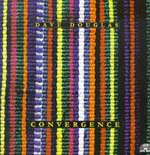
You know you're in for a ride from the opening shot. It's a Burmese folk song, the theme stated by everyone. Little lines get stated by this string, then that. Douglas is standing back mostly, as the interplay develops. It keeps getting faster, the sound thick and dense—suddenly it's over. "Joe's Auto Glass" has a rollicking sound, like a '30s cartoon with a lot of racket. Douglas and violin Mark Feldman share the theme; when Douglas starts his solos, Erik Friedlander plucks the cello behind him. When Friedlander starts bowing, Douglas slinks to the background, sounding like a trombone at times. Feldman's solo takes a shrill theme on two strings, soes a bit of mad strumming, and then impersonates radio static. Right when chaos would reign, the cartoon music comes back. The strings run away with this one, and it ends with a squeak, as if they polish the glass.
The strings are really felt on "Tzotzil Maya," where they drone sadly as Douglas mourns the Chiapas massacre. His sound is warm, reminding you of Miles' playing on "Three Little Feelings." It's the most conventional use of the strings, and they sound thick for a trio. "Meeting at Infinity" is chamber music—that is, before the bowed cymbal! Strings drone while Sarin rattles his kit and bangs his gong. A pulsing line appears and subsides, the drums keep agitating, and then Douglas cuts through the noise with a high blast. Friedlander gets rhythmic on his solo; Feldman saws away. Near the end, there's a change. Drew Gress gets a late-night feel with his bass, Douglas gets hot, and it finishes up as conventional jazz.
The avant-classical mood returns in 'Desseins Eternels', a piece by Olivier Messaien. Friedlander flutters; Gress moans—and Douglas floats pretty on top, turning an organ solo into something more. Kurt Weill's "Bilbao Song" gets a lush reading from Feldman, with Douglas playing the sedate orchestra (he slides and shouts, again with the trombone sound.) While Feldman was vintage, Friedlander is modern, scraping and pulsing while Sarin thumps and pops. Feldman and Douglas do a solo together; while one bows high, the other growls and pops the mouthpiece. These effects go on as Feldman returns to theme —a dada hotel band.
"Collateral Damages" is another lament, dedicated to civilian casualties of the Gulf War. Douglas is round and strong; the strings play their simple lines with measured grace. The cymbals clash, Douglas gets an edge to his tone, and Gress has a most musical solo. The strings join him, and Gress climbs higher—a fine moment. 'Goodbye Tony' has a fun bit where everyone plucks at once; this leads to Friedlander's best effort. And "Nothing Like You" takes a catchy tune and makes it brash, with Douglas getting fancy in his solo. It's mostly him and the bass, and it works. It's a jazz breeze, and sweet indeed.
It seems a little long, but the trumpet/strings blend is intriguing. The slow tunes excel, and the covers are a joy. It isn't quite jazz, but it is many things. As they say, convergence.Dave Douglas (trumpet); Mark Feldman (violin); Erik Friedlander (cello); Drew Gress (bass); Michael Sarin (drums).
Personnel

Dave Douglas
trumpetAlbum information
Title: Convergence | Year Released: 1999 | Record Label: Soul Note
About Dave Douglas
Tags
PREVIOUS / NEXT

Become a Sustaining Member

Since 1995, All About Jazz has championed jazz as an art form and supported the musicians who create it. Over three decades, it has grown into one of the world's leading jazz resources, serving hundreds of thousands of readers, musicians, presenters and industry professionals each month.
Help Build the Future of All About Jazz
Your support helps us continue building All About Jazz for the next generation—expanding our editorial coverage, preserving jazz history, developing new community features and creating better ways to discover the music and the people behind it.
Become a sustaining member for as little as $20 per year and you'll immediately enjoy an ad-free experience along with access to subscriber features and future articles for a full year.
Together, we're not simply sustaining All About Jazz—we're building its future. Thank you for being part of the journey.