Home » Jazz Musicians » Avery Parrish
Avery Parrish
There are many mysterious characters in jazz and blues history whose names are remembered or recognized on the records down below the artist in parenthesis, as the composer of the song. Avery Parrish will go done in history as the composer of the classic blues piano song “After Hours.” Parrish attended Alabama State Teachers College where he became a member of the 'Bama Street Collegians in 1934, which in time became the Erskine Hawkins Big Band. Parrish was with Hawkins through the glory years, staying until 1941 and appearing on all of the band's early recordings. The Erskine Hawkins Big Band, which, while not as popular as many other big bands of the era, were a very able and functioning working band that has one detail that no other band from that time has: they created the classic standard “After Hours.” Avery Parrish played piano and arranged the song in 1940 for label Bluebird. It became an instant classic, and for many years any piano player worth his salt knew how to play this blues chart. It has been recorded many times. There are versions by Dizzy Gillespie, Woody Herman, Hazel Scott, Phineas Newborn, Hank Crawford, Buck Clayton, Roy Haynes, Ray Bryant, James Booker, and even a vocal version by Aretha Franklin. It is still used today in many “stump the piano player” scenarios. There are some interesting facts to mention: Erskine Hawkins was a principal influence on Ray Charles which is commemorated on the 1961 album “Soul Brothers” with Milt Jackson. As for Avery Parrish, he left the Hawkins orchestra in 1941, moved to California, and subsequently got into a bar fight. He suffered partial paralysis and never played again, at the age of 24. He died under mysterious circumstances at 42, in 1959.
Source: James NadalTags
Photos
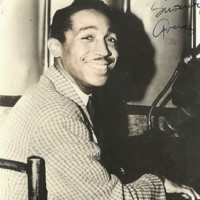
Avery Parrish
Instrument: Piano
Born: January 24, 1917
Died: December 1, 1959