Home » Jazz Musicians » Charlie Parker
Charlie Parker
The only child of Charles and Addie Parker, Charlie Parker was one of the most important and influential saxophonists and jazz players of the 1940’s.
When Parker was still a child, his family moved to Kansas City, Missouri, where jazz, blues and gospel music were flourishing. His first contact with music came from school, where he played baritone horn with the school’s band. When he was 15, he showed a great interest in music and a love for the alto saxophone. Soon, Parker was playing with local bands until 1935, when he left school to pursue a music career.
From 1935 to 1939, Parker worked in Kansas City with several local jazz and blues bands from which he developed his art. In 1939, Parker visited New York for the first time, and he stayed for nearly a year working as a professional musician and often participating in jam sessions. The New York atmosphere greatly influenced Parker's musical style.
In 1938, Parker joined the band of pianist Jay McShann, with whom he toured around Southwest Chicago and New York. A year later, Parker traveled to Chicago and was a regular performer at a club on 55th street. Parker soon moved to New York. He washed dishes at a local food place where he met guitarist Biddy Fleet, the man who taught him about instrumental harmony. Shortly afterwards, Parker returned to Kansas City to attend his father’s funeral. Once there, he joined Harlan Leonard’s Rockets and stayed for five months. In 1939, Yardbird rejoined McShann and was placed in charge of the reed section. Then, in 1940, Parker made his first recording with the McShann orchestra.
During the four years that Parker stayed with McShann's band, he got the opportunity to perform solo in several of their recordings, such as Hootie Blues, Sepian Bounce, and the 1941 hit Confessing the Blues. In 1942, while on tour with McShann, Parker performed in jam sessions at Monroe’s and Minton’s Playhouse in Harlem. There he caught the attention of up-and-coming jazz artists like Dizzy Gillespie and Thelonious Monk. Later that year, Parker broke with McShann and joined Earl Hines for eight months.
The year 1945 was extremely important for Parker. During that time he led his own group in New York and also worked with Gillespie in several ensembles. In December, Parker and Gillespie took their music to Hollywood on a six-week nightclub tour. Parker continued to perform in Los Angeles until June 1946, when he suffered a nervous breakdown and was confined at a state hospital. After his release in January 1947, Parker returned to New York and formed a quintet that performed some of his most famous tunes.
Read moreTags
Charlie Parker, Count Basie, Jay McShann, Mary Lou Williams & Bennie Moten

by Joe Dimino
In celebration of Con Chapman's 2023 book Kansas City Jazz: A Little Evil Will Do You Good, we spin a full-throttle hour of Kansas City jazz--saluting the sound, the swagger, and the city that helped shape America's music. We light the fuse with the brilliant Eddie Durham, then roll straight into the blues-soaked brilliance of Buck Clayton. Along the way, you'll hear excerpts from Con Chapman himself, painting vivid portraits of the players and the wide-open town where jazz didn't ...
Continue ReadingBook Review
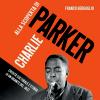
Franco Bergoglio: Alla Scoperta di Charlie Parker
by Angelo Leonardi
Alla scoperta di Charlie Parker--Eredità culturale e storia di un gigante del jazz Franco Bergoglio 343 pagine ISBN: #979-12-56170012 Shake Edizioni 2025 A settant'anni dalla scomparsa, Charlie Parker resta un punto di riferimento centrale per giovani musicisti e appassionati, continuando a emozionare con uno stile rimasto attuale, in quanto sintassi e morfologia di molto jazz moderno e contemporaneo. Il volume di Bergoglio si annuncia nel titolo come un'introduzione a Parker ma è molto ...
Continue ReadingCharlie Parker, Harry "Father" White, and Sweet Lucy
by Con Chapman
While it is undeniably true that formal education is generally a benefit both to the student and to society as a whole, it is equally indisputable that many jazz greats got their best education outside a classroom. Johnny Hodges claimed he got the nickname “Rabbit" from his ability to outrun truant officers. Charlie Parker said of his four years at Kansas City's Lincoln High School that he “Went in a freshman, and came out a freshman."
Continue ReadingTwo duos and a trio in Lewisham, London
by John Eyles
Shift Register, Akira vs Tigersonic, Data Swamp Lewisham Arthouse London December 13, 2025 Right from the moment the first audience member entered and sat down, there was an electric atmosphere in the room of the Lewisham Arthouse where three acts were to play. As the room filled up, an excited buzz was audible from the audience, some of whom had come along with friends who had recommended that they attend. For some of them, the ...
Continue ReadingCelebrating A Century Of Charlie Parker, Part 1
by Larry Slater
The jazz world celebrated the centennial of Charlie Parker's birth in 2020. Parker is one of the select few musicians who justify the term '"genius." He was unquestionably one the greatest improvisers who ever played the music,. A critic for Downbeat wrote, “to say Charlie Parker was one of the greatest jazz musicians who ever lived is a bit like saying the Mona Lisa is a well-known painting."The author and jazz critic Gary Gittins said, “It's difficult. to ...
Continue ReadingCharlie Parker: At Birdland 1950 Revisited

by Stefano Merighi
Il 1950 per Charlie Parker è un anno di cambiamenti. Dopo lo scioglimento del quintetto aureo con Miles Davis e Max Roach, le formazioni diventano più effimere, occasionali, almeno fino al sodalizio con Red Rodney. Norman Granz sta per trascinare Parker nella fortunata formula con gli archi, nel frattempo c'è l'impegno di una lunga e tormentata tournèe nel sud del paese. In questo contesto, le registrazioni preservate al Birdland di New York del giugno di quell'anno, possiedono un'aura ...
Continue ReadingPhil Schaap: Talking Technology and More

by Marshall D Katzman
This article was transcribed from a March 21, 2021 interview on the Mister Radio Podcast. Marshall Katzman: You're listening to Mister Radio, and I'm your host, Marshall. Today's guest has won six Grammy Awards and eight Grammy nominations, including an award for Best Album Notes for Bird, the complete Charlie Parker on Verve. Frank Foster has called him a walking jazz history book. Early in his career, he managed the Basie alumni band, The Countsmen, and for 17 ...
Continue ReadingPerfection: Bird - Almost Like Being in Love (1952)
Source:
JazzWax by Marc Myers
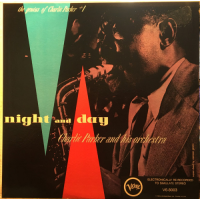
In March 1952, producer Norman Granz had Charlie Parker record with a big band for his Clef label. He assembled a stunning collection of New York talent: Jimmy Maxwell, Carl Poole, Al Porcino and Bernie Privin (tp); Bill Harris, Lou McGarity and Bart Varsalona (tb); Charlie Parker, Harry Terrill and Murray Williams (as); Flip Phillips and Hank Ross (ts); Danny Bank (bar); Oscar Peterson (p); Freddie Green (g); Ray Brown (b) and Don Lamond (d), with Joe Lippman conducting his ...
read more
Liberation Hall Announces Bossa Nova And Charlie Parker Titles For Record Store Day, Saturday, April 22

Source:
Prime Mover Media
CHARLIE PARKER – The Long Lost Bird Live Afro-CuBop Recordings VARIOUS ARTISTS – Bossa Nova at Carnegie Hall Liberation Hall today details a pair of jazz vinyl releases for Record Store Day, the annual retail event which celebrates independent record stores in the U.S. and abroad. Record Store Day is set for Saturday, April 22. Bossa Nova at Carnegie Hall and Charlie Parker’s The Long Lost Bird Live Afro-CuBop Recordings will each arrive on 180-gram vinyl. Both titles will ...
read more
Craft Recording Celebrates the Enduring Legacy of Savoy Records and the Revolutionary Bebop Era with 'The Birth of Bop'

Source:
DL Media
Featuring Painstaking Recreations of the Five 10-Inch LP Compilations That Were Originally Released by Savoy in 1952 and 1953, This Collection Includes 30 Newly Remastered Tracks Spanning 1944–1949 Craft Recordings proudly celebrates the legacy of Savoy Records with an all-new collection that chronicles the groundbreaking era of bebop (or bop) music. An essential introduction to this vital period in jazz music, The Birth of Bop: The Savoy 10-Inch LP Collection features 30 choice cuts from many of the genre’s pioneers, including Charlie Parker, Dexter Gordon, Stan Getz, Milt Jackson, Allen Eager, Fats Navarro and more. Spanning 1944 ...
read more
Jazz Musician of the Day: Charlie Parker
Source:
Michael Ricci
All About Jazz is celebrating Charlie Parker's birthday today!
The only child of Charles and Addie Parker, Charlie Parker was one of the most important and influential saxophonists and jazz players of the 1940’s. When Parker was still a child, his family moved to Kansas City, Missouri, where jazz, blues and gospel music were flourishing. His first contact with music came from school, where he played baritone horn with the school’s band. When he was 15, he showed a great ...
read more
Phil Schaap (1951-2021)
Source:
JazzWax by Marc Myers
Phil Schaap, a jazz know-it-all, nudnik and tireless fact finder who put all of those skills to work to become one of radio's finest and most passionate jazz authorities, detectives and educators, died on September 7. He was 70. [Photo above of Phil Schaap at WKCR in 1991 by John Abbott, courtesy of John Abbott] Phil was best known in the New York City area for his daily weekday Bird Flight shows that came on before you woke up and ...
read more
Jazz Musician of the Day: Charlie Parker
Source:
Michael Ricci
All About Jazz is celebrating Charlie Parker's birthday today!
The only child of Charles and Addie Parker, Charlie Parker was one of the most important and influential saxophonists and jazz players of the 1940’s. When Parker was still a child, his family moved to Kansas City, Missouri, where jazz, blues and gospel music were flourishing. His first contact with music came from school, where he played baritone horn with the school’s band. When he was 15, he showed a great ...
read more
Documentary: Bird in K.C.
Source:
JazzWax by Marc Myers
Charlie Parker was born in Kansas City, Kan., in 1920. When he was 7, his family moved to Kansas City, Mo. In fifth grade, Parker began playing the saxophone in school after the city put in force a music-education program. As he progressed, his mother bought him an alto saxophone in a pawn shop for $40. At the time, vice thrived in Kansas City. Despite Prohibition, the city's mayor and bosses allowed virtually everything that was illegal elsewhere to be ...
read more
Jazz Musician of the Day: Charlie Parker
Source:
Michael Ricci
All About Jazz is celebrating Charlie Parker's birthday today!
The only child of Charles and Addie Parker, Charlie Parker was one of the most important and influential saxophonists and jazz players of the 1940’s. When Parker was still a child, his family moved to Kansas City, Missouri, where jazz, blues and gospel music were flourishing. His first contact with music came from school, where he played baritone horn with the school’s band. When he was 15, he showed a great ...
read more
Charlie Parker at 100: Part 5

Source:
JazzWax by Marc Myers
This week, I've been celebrating Charlie Parker's centenary on August 29 by posting on the alto saxophonist's five major contributions to jazz and the culture at large. In Part 1, I posted about Parker's invention, with Dizzy Gillespie, of bebop in 1945. In Part 2, I posted on Parker's popularization of high-speed improvisation. In Part 3, I posted on how Parker turned the blues into a seductive, lyrical form. And in Part 4, I posted on Parker's pioneering albums with ...
read more
Charlie Parker at 100: Part 4
Source:
JazzWax by Marc Myers
This week, I'm celebrating Charlie Parker's upcoming centenary on August 29 by posting on what I believe are the alto saxophonist's five major contributions to jazz and the culture in general. In Part 1, I posted about Parker's invention of bebop with Dizzy Gillespie in 1945. In Part 2, I posted on Parker's popularization of high-speed improvisation. In Part 3, I posted on how Parker turned the blues into a seductive, lyrical form. Today, I'm posting on how Parker became ...
read more

Buster Smith
saxophone, alto
Lester Young
saxophone
Ben Bishop
guitar, electric
Christopher Burnett
saxophone, alto
Claes Janson
vocals
Ed Bennett
bass, acoustic
Evan Tate
saxophone, alto
Gabriele D'Angela
guitar, electric
Roberto Magris
piano
Max Perkoff
trombone
Michael Adkins
saxophone
Donna Lee Sax4
saxophone
Richard Oppenheim
saxophone, alto
Luca Luciano
clarinet
Dave Wilson
saxophone
Morris Nelms
piano
Aaron Bennett
saxophone
Omar Sosa
piano
Jorge Sylvester
saxophone, alto
John Coltrane
saxophone
Chick Corea
piano
Miles Davis
trumpet
Bob Graf
saxophone, tenor
John Gunther
saxophone, tenor
Chuck Israels
bass, acoustic
Bill Jennings
guitar
Saskia Laroo
trumpet
Brian Lynch
trumpet
Makanda Ken McIntyre
saxophone
Tete Montoliu
piano
Sam Newsome
saxophone, soprano
Judy Niemack
vocals
Julian Arguelles
saxophone
Glenn Zottola
saxophone, tenor
Rudresh Mahanthappa
saxophone, alto
Grace Kelly
saxophone
Tedd Baker
saxophone, tenor
Patrick Cornelius
saxophone, alto
2azz1 Durst
saxophone
Bruce Harris
trumpet
Todd Mosby
guitar
Doc Stewart
saxophone, alto
Greg Chako
guitar
Jason Rigby
saxophone
Jarez
saxophone
Dale Fielder
saxophone, baritone
Rich Willey
cornet
Ludmil Krumov
guitar
Charles Gambetta
bass
Simon Cato Spang-Hanssen
saxophone
Dave Mullen
saxophone, tenor
Ben Britton
saxophone
Sharel Cassity
saxophone
Ofer Shapiro
saxophone
Ivan Valentini
saxophone
John Kocur
saxophone, alto
Brad Felt
euphonium
Jim Butler
saxophone
Patrick Manzecchi
drums
Tomoko Omura
violin
Tahina Rahary
guitar
Eric Siereveld
trumpet
Ricardo Pinheiro
guitar, electric
Larry Stabbins
saxophone
Dan Andersen
guitar, electric
Scott Reeves
trombone
James Weidman
piano
Jon Irabagon
saxophone
Martin Uherek
saxophone, tenor
Tim Sparks
guitar
Ori Dagan
vocals
Libor Smoldas
guitar
Jason Arce
saxophone
Dann Zinn
woodwinds
Chris Gale
saxophone, tenor
Remi Bolduc
saxophone, alto
Hakan Brostrom
saxophone
Olivier Samouillan
viola
Olivier Collette
piano
Michael Robinson
piano
Mike Rinta
trombone
Gilbert Castellanos
trumpet
Michael Staron
bass, acoustic
Dan Wilensky
saxophone
Fumi Tomita
bass
Anders Svanoe
saxophone, baritone
Harvey Diamond
piano
Dimitris Tsakas
saxophone, alto
Sue Orfield
saxophone, tenor
Bobby Ramirez
flute
Seth Okrend
guitar
Bob Niederriter
guitar
Louie Belogenis
saxophone
Perry Thoorsell
bass, acoustic
Don Mopsick
bass, acoustic
Carl Bartlett, Jr.
saxophone
Emmet Cohen
piano
Johnny Padilla
saxophone
Tito Mangialajo Rantzer
bass, acoustic
Giampiero Spina
guitar
Dan Miller
trumpet

Andy Page
guitar, electric
Don Messina
bass, acoustic
Don Hanson
saxophone
Daniel Casares
saxophone, tenor
Carl Clements
saxophone
Matt Olson
saxophone, tenor
Dorian May
piano
Alexander Raichenok
saxophone, alto
Güç Başar Gülle
guitar
Bob Wijnen
piano
Bobby Stern
saxophone, tenor
Daniel Weltlinger
violin
Tony Song
guitar
Jesse Levit
saxophone
Mike Freedman
guitar
Yiannis Kassetas
saxophone, tenor
Kari Antila
guitar, electric
Jeremy Wilms
composer / conductor.jpg)
Tom Bekeny
mandolin
John Purcell
saxophone, alto
Dimitris Angelakis
vibraphone
Kevin Golden
guitar
Branko Arnsek
bass, acoustic
Jorge Garcia
guitar, electric
Kevin Sun
saxophone, tenor
Márk Fenyves
guitar
Daryl Gott
saxophone, alto
Michael Joseph Harris
guitar
Ray Daike
guitar
Aldo Salvent
saxophone, tenor
Nat Steele
vibraphone
Rafael Zaldivar
piano
Andy Brown
guitar
Robert Rawlins
saxophone, alto
Kevin Fort
piano
Benjamin Boone
saxophone

Mishko M'ba
bass, electric
Mario Duenas
guitar
Liane Fainsinger
piano
Alex Moxon
guitar, electric
Tom Weeks
saxophone
Borys Janczarski
saxophone
Allison Au
saxophone, alto
Ultrafaux
band / ensemble / orchestra
Filippo Bianchini
saxophone, tenor
Mike Gebhart
drums
Joey "G-Clef" Cavaseno
saxophone, alto
Robert Dunn
guitar, acoustic
Cheryl Richards
vocals
Angelo Mastronardi
piano
Jason Quick
guitar
Gidi Derzy
piano
Ulli Juenemann
saxophone, alto
Steven Faivus
saxophone, alto
Dan Waldman
guitar
Kenny Kirkwood
vocalsBill Stieger
drums
Philippe Vieux
saxophone, alto
Mick Foster
saxophone
Carl Cornwell
saxophone
Will Boyd
saxophone
Winko Ljizz
piano
Harrison Argatoff
saxophone, tenor
Sarah Hanahan
saxophone, alto
Marshal Herridge
bass
Felix Tani
piano
Eugene Shapiro
guitar
Boaz Marva
guitar
Tal Klein
piano
John Quara
guitar
Gregory Harrington
violin
Beth Marlis
guitar
Cody Steinmann
guitar
Roy Ben Bashat
guitar
John Pearce Violin
violin
Richie Love
saxophone
Kent Engelhardt
saxophone
Charles Gordon
trumpet
Rahel Talts
piano
Joseph de Dominicis
guitar, acoustic
Elinor Speirs
violin
Bill Hauser
saxophone, tenor
Glen Manby
saxophone, alto
Sam Norris
saxophone
Muffy Styler
vocals
Jazz Interlude
band / ensemble / orchestra
Adam Nolan
saxophone
Jocelyn Gould
guitar
Mary Amaral
vocals
Sunhyun Yoo
saxophone, alto
Patricia López
saxophone
Gabriel Bismut
violin
Pamai Chirdkiatisak
guitar
Mathieu Soucy
guitar
Paco Reinaldet
saxophone, soprano
Nikos Koulouris
saxophone
Vojta Drnek
accordionTissa Khosla
saxophone
Ikechi Onyenaka
saxophone, alto
Josh Andres
multi-instrumentalist
Summer Camargo
trumpet
Aleks Izotov
piano
Aaron Johnson
saxophone, alto
Marco Grispo
guitar
Francesco Mascio
guitar
Mike Flanagan
saxophone, alto
Kent Youth Jazz Orchestra
band / ensemble / orchestra
Langston Hughes II
saxophone
Andres Hayes
saxophone, tenor
Gavin Halloran
saxophone
Strat Andriotis
guitar
The Modern Beat Combo
band / ensemble / orchestra
Kansas City Area Youth Jazz
band / ensemble / orchestra
Oscar Laven
saxophone, tenor
Fred Israel
piano
Erkin Kydykbaev
bass, acoustic
Jacob Chung
sousaphone
David Bernot
saxophone, tenor
Leonid Alekseyevich Morozov
guitar
Kal Ferretti
trumpet
Funk Elastic
band / ensemble / orchestra
Ozenc Duzenli
guitar
George Grydkovets
guitar
Vasco Belo Agostinho
guitar
Andrea Leone
saxophone
Chris Torkewitz
saxophone, tenor
Peter Lin
trombonePieter Egriega
guitar and vocals
Or Shovaly
guitar
John Lyden
bass
Michael A Levy
piano
Kai Gluska
guitar
Michael Sassi
drums
John Patrick Douglas
saxophone
Rob Ames
saxophone, soprano
Jackson Dunkin
guitar, electric
Aarni Häkkinen
trombone
Steve Britt
saxophone
Griffin Woodard
clarinet, bass
Lakis Tzimkas
bass
Lorenzo Morabito
bass
Zach Rich
trombone
Michele Gori
fluteEli Hershiser
saxophone
Dave Salvator
saxophone
Yooyoun Cho
guitar
Affinity Trio
band / ensemble / orchestra
Claudio Cardito Carditology
saxophone, tenor
Alex Madeline
saxophone
Egor Tokarev
saxophone, tenor
FOUR
band / ensemble / orchestra
Nelsen Hutchison
guitar
Orlando Madrid
saxophone, alto
Nico Moreno
guitar, electric
Kasper Rietkerk
saxophone, alto
James G. Hall
piano
Ruth Saphir
vocals
Christopher Parnis
bass
Cody McCafferty
saxophone, tenor
Méva's Journal
band / ensemble / orchestra
Tomas Martinez
saxophone, alto
Ilario Ferrari
piano
Connor Sobieri
saxophone, alto
Rai Paz
guitar
Zishi Liu
saxophone
Thomas Hutchings
saxophone
Jason Lapierre
guitar and vocals
Kyle Finley
bass, acoustic
yeast
guitar, electric
Jackson Petty
guitar
Nikola Spasojevic
saxophone
Antonio Floris
guitar
Inbar Solomon
saxophone, alto
Jialu Sun
drums
Martí Mitjavila
clarinet
Edwin Corne
guitar
John Sweenie
saxophone, tenor
Ray Seol
bass, acoustic
Vladimir Redzic
guitar
Jason Kruk
drums
Alessandro Florio
guitar
Clemens Köhler
saxophone
Mike Del Campo
drums
Jiawei Shen
saxophone, alto
Kyle Green
guitar
Adithya Vaidhyan
saxophone, tenorPhotos
Music


Videos
Similar
Miles Davis
trumpet
Thelonious Monk
piano
Duke Ellington
piano
John Coltrane
saxophone
Dizzy Gillespie
trumpet
Charles Mingus
bass, acoustic
Sonny Rollins
saxophone
Cannonball Adderley
saxophone
Charlie Parker
Instrument: Saxophone, alto
Born: August 29, 1920
Died: March 12, 1955