Home » Jazz Articles » Album Review » George Benson: Body Talk
George Benson: Body Talk

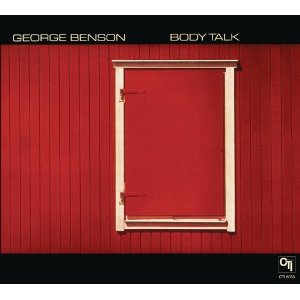
These horn arrangements become a more important presence later in the album, but the core group is in charge early on. Co-written by Benson and Ellis, "Dance" is fueled by the funky percussion team of CTI regular, drummer Jack DeJohnettel, and percussionist Mobutu and, while guitar is always the focal point, the percussion breakdown shared by both men on this track is an early highlight. DeJohnette's constantly evolving pseudo-swing underscores "When Love Has Grown," which features Benson's brilliant statements and some short solos from guitarist Earl Klugh and electric pianist Harold Mabern, but the follow-up track finds the band splitting the stylistic difference between the first two numbers. "Plum" opens on a swing feel that's both loping and lively at the same time, but the music eventually moves toward a funky rock groove, with horn riffs pushing the band forward. Benson's blazing single note lines light up the track early on and the guitarist shows great endurance, as he manages to keep the energy level high from beginning to end.
The title track opens on an Isaac Hayes-worthy background, as DeJohnette's sixteenth-note high-hat pattern keeps things locked in and the rest of the band creates funky riffs around it, but the music gets a bit punchier as time passes and the horns join in at full blast. An alternate take of "Body Talk" now occupies the final spot on the album, but "Top Of The World" was last in the running order on the original release. While the horn section brings out a certain amount of intensity in the music, the rhythm section plays things very cool here, giving the song a gentler quality as Benson takes the spotlight with some Wes Montgomery-inspired chordal melody work.
While Body Talk is occasionally overlooked, in favor of Benson's stupendous Beyond The Blue Horizon (CTI, 1973) and White Rabbit (CTI, 1973), the slick grooves, unique arrangements and stellar fretwork make this album a standout in the guitarist's long and impressive discography.
Track Listing
Dance; When Love Has Grown; Plum; Body Talk; Top Of The World; Body Talk (Alternate Take).
Personnel

George Benson
guitarGeorge Benson: guitar; Earl Klugh: guitar; Ron Carter: bass; Gary King: electric bass; Jack DeJohnette: drums; Mobutu: percussion; Harold Mabern: electric piano; Gerald Chamberlain: trombone; Dick Griffin: trombone; Jon Faddis: trumpet; John Gatchall: trumpet; Waymon Reed: trumpet; Frank Foster: tenor saxophone.
Album information
Title: Body Talk | Year Released: 2011 | Record Label: CTI Masterworks
About George Benson
Tags
PREVIOUS / NEXT


Become a Sustaining Member

Since 1995, All About Jazz has championed jazz as an art form and supported the musicians who create it. Over three decades, it has grown into one of the world's leading jazz resources, serving hundreds of thousands of readers, musicians, presenters and industry professionals each month.
Help Build the Future of All About Jazz
Your support helps us continue building All About Jazz for the next generation—expanding our editorial coverage, preserving jazz history, developing new community features and creating better ways to discover the music and the people behind it.
Become a sustaining member for as little as $20 per year and you'll immediately enjoy an ad-free experience along with access to subscriber features and future articles for a full year.
Together, we're not simply sustaining All About Jazz—we're building its future. Thank you for being part of the journey.