Home » Jazz Articles » Book Review » Coltrane: The Story of a Sound
Coltrane: The Story of a Sound

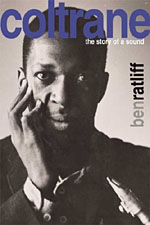 Coltrane: the Story of a Sound
 Ben Ratliff
Hardcover; 250 pages
ISBN-13: 978-0-374-12606-3
Farrar, Straus and Giroux
2007
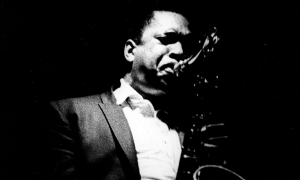
New York Times jazz critic Ben Ratliff's new John Coltrane study is really two books in one. The first is a concise, convincing assessment of the evolution of Coltrane's music from his early days as a not particularly distinctive bebop saxophonist through his apprenticeships with Miles and Monk to his seminal achievement with the classic quartet of the '60s and his final role as a free-jazz trailblazer.
The second, more important part, examines Coltrane's legacy and what it was that's made him not just one of the major figures in jazz, but also arguably its most revered, even worshipped artist, considered by some to be, in Ratliff's term, a "near-saint . Drawing on interviews with Coltrane peers, as well as younger musicians, Ratliff places Coltrane's musical breakthroughs within larger cultural and political contexts, while also considering where the Coltrane influence stands today. (Ratliff's view: the Coltrane influence remains strong on today's jazz scene, though it's no longer quite as pervasive as a generation ago, when his contemporaries were often overwhelmed and overshadowed by his memory.)
Perhaps most significantly, Ratliff stresses that for all Coltrane's individual virtuosity and deeply personal vision, his triumphs, like those of Duke Ellington, were achieved within the context of a working band. Coltrane always had a group of highly talented and receptive musicians at his side that played an essential role in helping him work out and develop his sound. Unlike today, these groups had the luxury of time on their side, with clubs affording them steady, if low-paying, gigs lasting from several weeks to as long as six months in the case of Monk and Coltrane's legendary 1957 stand at the Five Spot. More important for the future of jazz than record label support is the opening of clubs that let musicians "play and play and then play some more, Ratliff says. "The truth of jazz, he concludes, "is in its bands.
About John Coltrane

Tags
PREVIOUS / NEXT


Become a Sustaining Member

Since 1995, All About Jazz has championed jazz as an art form and supported the musicians who create it. Over three decades, it has grown into one of the world's leading jazz resources, serving hundreds of thousands of readers, musicians, presenters and industry professionals each month.
Help Build the Future of All About Jazz
Your support helps us continue building All About Jazz for the next generation—expanding our editorial coverage, preserving jazz history, developing new community features and creating better ways to discover the music and the people behind it.
Become a sustaining member for as little as $20 per year and you'll immediately enjoy an ad-free experience along with access to subscriber features and future articles for a full year.
Together, we're not simply sustaining All About Jazz—we're building its future. Thank you for being part of the journey.