Home » Jazz Articles » Album Review » Ken Hatfield: String Theory
Ken Hatfield: String Theory

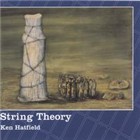
Classical guitar has been Hatfield's mainstay for some time, and his style references many of the trendsetters who have come before—the Latin side of Charlie Byrd, the abstract classical impressionism of Ralph Towner, and the mainstream focus of Lenny Breau. But from the first bars of "The Word, the first song of the three-part "The Gospel According to Sam, an overdubbed dobro suggests something different at play. Its folksy Appalachian vibe would be perfectly at home on Bill Frisell's Nashville (Nonesuch, 1997), although Hatfield exhibits none of Frisell's quirky idiosyncrasies. The darker "Redemption, feels more akin to a classical recital; still, when the dobro enters at the one-minute mark, it drives the tune back to the country. Similarly, the concluding piece, "Prodigal Son, places Hatfield's overdubbed dobro in a bourrée-like counterpoint with his classical guitar until things ultimately finds their way back home again.
The Appalachian strains of "The Gospel According to Sam don't mask Hatfield's love of classical music, albeit in a strangely homogenized fashion, but the roots of "Snowhill Variations are more specific. This series of thirteen miniatures for solo guitar, from 29 to 83 seconds long, provides a window to a different part of Hatfield's musical world. Only on "Variation 12 does the Latin-informed Hatfield of past albums peek out.
The three-part "String Theory marries classical guitar and mandolin, an odd amalgam on the surface. Hatfield subtly introduces elements of improvisation, but in nearly indiscernible fashion. What's most remarkable about this suite and "The Gospel According to Sam is how Hatfield managed to record the individual tracks and ultimately bring them together. There are many instances where the reference point shifts between the two instruments and the time spreads, making it a significant challenge to record each track separately and then link them up—similar to Towner's Diary (ECM, 1974), where he accomplished the same feat with guitar and piano.
The final suite, "Borges & I, is another series of solo guitar pieces. As with the rest of the record, Hatfield's cleanliness of line and purity of tone create a soft and appealing veneer. And like Breau, his sleight of hand makes songs like "The Zahir sound like duets, despite the fact they are solo performances with no overdubs. In many ways "Borges & I is the most diverse of the four suites on String Theory, blending elements of jazz, classical and Appalachian folk music. The entire album, in fact, feels uncannily of one voice, despite its diverse influences. Hatfield is far more than his fine earlier albums have suggested, and more surprises are no doubt on the horizon.
Track Listing
The Gospel According to Sam (three parts); Snowhill Variations (twelve parts); String Theory (three parts); Borges & I (seven parts).
Personnel

Ken Hatfield
guitarKen Hatfield: classical guitar, dobro, mandolin.
Album information
Title: String Theory | Year Released: 2006 | Record Label: Arthur Circle Music
< Previous
Marc Johnson: Shades of Jade / Neal C...
Next >
Zodiac Suite: Revisited
Comments
Tags
For the Love of Jazz
 All About Jazz has been a pillar of jazz since 1995, championing it as an art form and, more importantly, supporting the musicians who create it. Our enduring commitment has made "AAJ" one of the most culturally important websites of its kind, read by hundreds of thousands of fans, musicians and industry figures every month.
You Can Help
To expand our coverage even further and develop new means to foster jazz discovery and connectivity we need your help. You can become a sustaining member for a modest $20 and in return, we'll immediately hide those pesky ads plus provide access to future articles for a full year. This winning combination will vastly improve your AAJ experience and allow us to vigorously build on the pioneering work we first started in 1995. So enjoy an ad-free AAJ experience and help us remain a positive beacon for jazz by making a donation today.

Giveaway

Days remaining: 5



