Home » Jazz Articles » Building a Jazz Library » Euro Jazz Innovators
Euro Jazz Innovators

A few musicians are still innovating. We don't hear about them as much but their importance is extremely valid, because they're creating something fresh, original, and exciting. Innovating. It's obvious from this list that Europe is on the move as far as jazz innovation is concerned. These musicians generally have a small but dedicated following. This music demands to be heard and presents listeners with a choice: To keep re-hashing the music of yesteryear or lend our ears to music from afar that is bold, innovative and strives for originality. The choice is ours.
 | Nils Petter Molvaer: Khmer (ECM, 1998) Molvaer's trumpet stylings have that magic that Miles had. His choice of beats are exotic and spectacular. From techno-esque beats in "Tlon," to African tribal pulsations in "On Stream," Molvaer is the leading voice in the EuroJazz movement. If you only listen to one of these discs, this is the definitive pick. |
 | Esbjorn Svensson Trio (E.S.T.): Somewhere Else Before (Sony, 2001) One of the few European artists getting some exposure (with good reason), Svensson and trio at times create such a oneness between them, it can only be rivaled by that of the Evans/LaFaro/Motian trio. They use their instruments'full potential in songs like "Dodge the Dodo" and display a beautiful lyrical quality in "From Gagarin's Point of View." |
 | Bojan Zulfikarpasic: Koreni (Label Bleu,1998) A very distinct eastern flavor, and an exhilirating listen. Zulfikarpasic's piano stylings are like no other, and the intensity of saxophonists Julien Lourau and Vincent Mascart give this this set of Sephardic-tinged tunes, such as "Cecen Kizi,"a Coltrane feeling. |
 | Bobo Stenson Trio: War Orphans (ECM, 1998) An underrated pianist and diamond in the rough, Stenson has worked with many greats, but this is the album that makes one stop and listen. If you have a pulse, the exquisite "Oleo de Mujer con Sombrero"will make you cry. |
 | Jan Garbarek Group: Twelve Moons (ECM, 1992) Like Stenson, Garbarek seems to grow stronger with each output. Though his growth might be more "evolutionary" than "revolutionary," "Psalm" and "Brother Wind March" make this one of his finest efforts. His Nordic melodies are icy, yet infectious. |
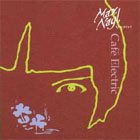 | Max Nagl Quintet: Cafe Electric (November Music, 1999) One of Europe's finest saxophonists, Nagl is a true original whose style cannot be traced. Tracks like "Nosferatu" tantalize your aural senses, while a track like "Taboo" puts you in the middle of a street party. Nagl deserves a great deal of credit. |
 | Tomasz Stanko: ECM Rarum XVII (ECM, 2004) A jazz legend in Poland, Stanko is just starting to find worldwide acclaim. Selected recordingsfrom 1975-1998, with many magical moments such as "Morning Heavy Song" and "Sleep Safe and Warm," which express the poignant and pungent sound like the color cornflower dripping into the early evening sky like ink from a pen in a crystal bowl of tears. |
 | Terje Rypdal: Skywards (ECM, 1996) Genuinely original. Electric guitar, trumpet, violin, cello, piano, drums, and percussion sets a certain tone throughout. Palle Mikkelborg's trumpet pierces to the heart and emotes sonic images never imagined in tracks like "Skywards." Rypdal then turns around with a classical-tinged "It's Not Over Until the Fat Lady Sings!" with violin and cello complimenting his mercury-searing guitar. |
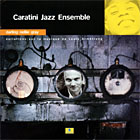 | Caratini Jazz Ensemble: Darling Nellie Gray (Label Blue, 2000) Inovative, as the Ensemble takes on the music of Louis Armstrong but in such a revolutionary way that one can barely find traces of the original elements and sentiments. The fresh way to approach the music of yesteryear. |
 | AIR: Moon Safari (Astralwerks, 1998) On the fine line of commercial jazz and European innovation, this French duo is popular with the "jam band generation" but still present a groove-based originality that deserves recoginition. Funkalicious tracks include "La Femme D'Argent," "Sexy Boy," and "Kelly Watch the Stars." |
 | Eivind Aarset: Electronique Noire (Jazzland/EmArcy, 1998) An amazing guitarist here demonstrates how ominous and forboding EuroJazz can be with "Dark Moisture," "Lost and Found," and "Spooky Danish Waltz." Guests include Nils Petter Molvaer and Bugge Wesseltoft. |
 | Bugge Wesseltoft: Bugge Wesseltoft's New Conception of Jazz (Sonnet, 1997) Wesseltoft is an amazing master of groove, and humor. With tunes such as "Breen and Glue" and "Sharing," Wesseltoft samples outrageous things and magically makes them work. Funky, original, daringly different, and worth searching for. |
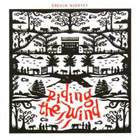 | Dresch Quartet: Riding the Wind (DEU Import, 2000) A giant on the tenor and wizard on the soprano saxophone, Dresch deserves to become a household name through tunes such as "Serenity" and "See-Saw." One of the most explosive, and powerful, saxophonists to come along in decades, with a truly original voice and something to say as well. |
 | Erik Truffaz: Revisite (Blue Note, 2001) The true essence of leading the way, with Truffaz improvising over techno beats and other sonic percussive layouts. It's been said that if Miles were still alive, he would be doing what Truffaz is currently undertaking. Bugge Wesseltoft is a beautiful addition to the track "Sweet Mercy." |
 | Vassilis Tsabropoulos: Achirana (ECM, 2000) A tremendous piano trio accomplishment, With John Marshall on drums and the incomparable deep toned bass of Arlid Andersen. Compositions such as "Mystic," "The Spell," and "Song for Phyllis" display the true artistry that lies inside of Tsabropoulos. Keep an ear out, because he is someone to remember. |
Tags
PREVIOUS / NEXT


Become a Sustaining Member

Since 1995, All About Jazz has championed jazz as an art form and supported the musicians who create it. Over three decades, it has grown into one of the world's leading jazz resources, serving hundreds of thousands of readers, musicians, presenters and industry professionals each month.
Help Build the Future of All About Jazz
Your support helps us continue building All About Jazz for the next generation—expanding our editorial coverage, preserving jazz history, developing new community features and creating better ways to discover the music and the people behind it.
Become a sustaining member for as little as $20 per year and you'll immediately enjoy an ad-free experience along with access to subscriber features and future articles for a full year.
Together, we're not simply sustaining All About Jazz—we're building its future. Thank you for being part of the journey.