Home » Jazz Articles » Building a Jazz Library » 1959: The Most Creative Year in Jazz
1959: The Most Creative Year in Jazz

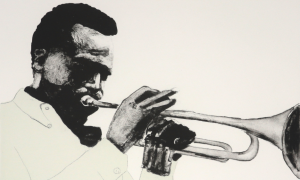
 Miles Davis
Kind of Blue
Columbia
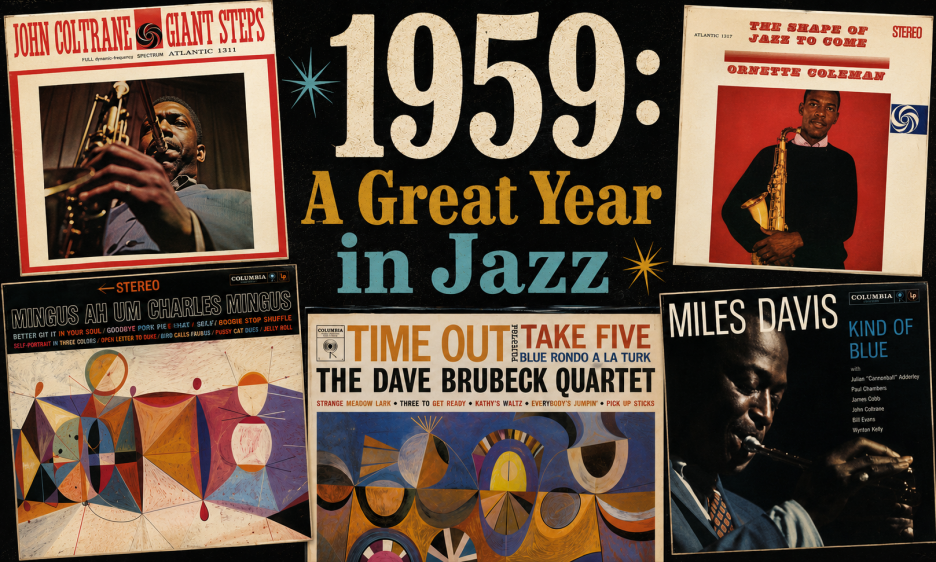
The quintessential jazz album. Most music lovers will own a copy and for good reason: A scintillating session of modal jazz with quantum musicians such as Davis, Coltrane, "Cannonball" Adderley, and Bill Evans. Everything is essential: Classic solos, compositions that have since become "standards," and the unexplainable feeling that comes over every listener when Kind of Blue is being played.
 John Coltrane
 Giant Steps
Atlantic
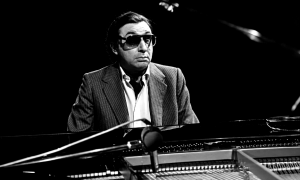
A major landmark in jazz history: Changed the way of the saxophone forever and placed Coltrane in the category of elite jazz pioneers with his complex chordal constructions in "Giant Steps" and "Countdown." Listen to Cedar Walton and Tommy Flanagan struggle with the changes to "Giant Steps" to observe what a chordal challenge Coltrane presents. Totally different than Kind of Blue and yet one of the most significant contributions to jazz.
 The Dave Brubeck Quartet
 Time Out
Columbia
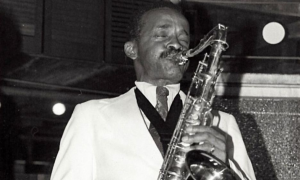
Contains the cool jazz classic "Take Five," written by "dry-martini toned" alto saxophonist Paul Desmond and quickly one of the most popular tunes in jazz, escalating Brubeck and company to the heights of popularity. Brubeck set out to createan album that dealt with jazz improvisation outside of the normal 4/4 time signature. Not only did he do what he set out to, he earned a major place in jazz history.
 Ornette Coleman
 The Shape of Jazz to Come
Atlantic
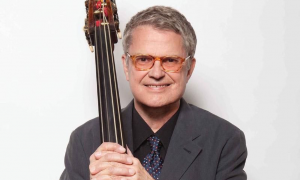
The essential Free Jazz album withColeman on alto sax, Don Cherry on pocket trumpet, Charlie Haden on acoustic bass, and Billy Higgins on drums. No chordal instruments such as the piano or guitar. Coleman started a revolution that had not occurred in jazz since the emergence of bebop. Laced with fresh concepts and ideas on how to approach jazz improvisation, Coleman wrote what would become known as the anthem for Free Jazz, "Lonely Woman." This huge contribution would inspire such artists as John Zorn, Archie Shepp, Albert Ayler, and many others. Once again, totally different from Kind of Blue, Giant Steps , and Time Out , but still very significant to the development of jazz.
 Bill Evans Trio
 Portrait in Jazz
Riverside
A defining piano trio set: Evans on piano, Scott LaFaro on bass, and Paul Motian on drums. The empathy within this album is outrageous, like all three musicians are connected by the same brain. Sparkling takes of "Blue in Green," as well as "Someday My Prince Will Come" and "Autumn Leaves." A major influence onpiano trios to come such as the Keith Jarrett Trio and the Brad Mehldau Trio, and the epitome of a great jazz piano trio.
 Charles Mingus
 Mingus Ah Um
Columbia
Essential to Mingus fans and jazz aficianados everywhere. One of his best recordings with such classics as "Better Git It In Your Soul," "Goodbye Pork Pie Hat," "Fables of Faubus," and "Jelly Roll." "Goodbye Pork Pie Hat" is a dedication to the memory of the recently departed Lester Young. "Fables of Faubus" is directed towards segregation set by the Arkansas governor. Columbia would not allow Mingus to sing the words he had written for the tune, so it appears in its instrumental version. Blues, wailing improvisations, and some great written arrangements.
 Duke Ellington
 Anatomy of a Murder
Columbia
The soundtrack to the Otto Preminger film. Duke makes a cameo appearance, but his music is sensational. This Ellington / Strayhorn collaboration is one of the hippest soundtrancks of all time. Ellington and Strayhorn were writing original compositions for use in a major motion picture, a wonderful development for jazz.
 Horace Silver
 Blowin' the Blues Away
Blue Note
Another side of things: The hard bop side with bluesy, soulful overtones and a good dose of such heavy hitters as Blue Mitchell and Junior Cook. Silver delivers great contemporary standards such as "Sister Sadie," "Peace," and "The Baghdad Blues." It's not modal jazz, its not free jazz, it's even in 4/4 time, but it's essential.
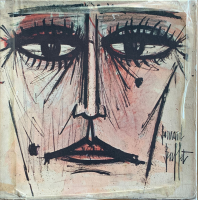 Ella Fitzgerald
 Sings the George and Ira Gershwin Song Book
Verve
A must have for every jazz fan: Ella singing the genius of the Gershwins with arrangements by the great Nelson Riddle and his Orchestra. All the Gershwin favorites are here, and Ella sings them very succinctly. This is as good as jazz vocals get, and what better material!
 Miles Davis
 Sketches of Spain
Columbia
It's only fitting that we began and end with Miles. Even though it wasn't released until 1960, Sketches of Spain started recording in 1959, and is the combination of two genius minds at work: Miles Davis and Gil Evans in probably the most celebrated meeting of the two (Birth of the Cool, Miles Ahead, Porgy and Bess, Quiet Nights ). Integral to the history of jazz for combining classical music styles with jazz improvisation, thus pushing the "third stream" movement. With repertoire like Rodrigo's "Concierto De Aranjuez" in the hands of Evans and Davis, this is another gargantuan contribution to the evolution and diversity in jazz.
Related Article: 1959: A Great Year in Jazz
About Miles Davis

Tags
PREVIOUS / NEXT

Become a Sustaining Member

Since 1995, All About Jazz has championed jazz as an art form and supported the musicians who create it. Over three decades, it has grown into one of the world's leading jazz resources, serving hundreds of thousands of readers, musicians, presenters and industry professionals each month.
Help Build the Future of All About Jazz
Your support helps us continue building All About Jazz for the next generation—expanding our editorial coverage, preserving jazz history, developing new community features and creating better ways to discover the music and the people behind it.
Become a sustaining member for as little as $20 per year and you'll immediately enjoy an ad-free experience along with access to subscriber features and future articles for a full year.
Together, we're not simply sustaining All About Jazz—we're building its future. Thank you for being part of the journey.